Afghanistan Facing Record-Breaking Heat
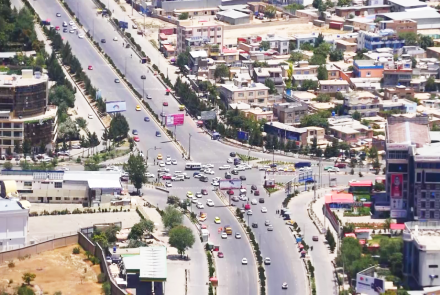
The air temperature in June has increased by two degrees Celsius compared to the same period last year.
The Meteorological Department of the Ministry of Transport and Civil Aviation states that based on their findings, further increases in temperature are likely in the coming months.
In response to the rising heat, the Ministry of Education has announced the closure of all schools in colder regions from the 1st to the 5th of July.
Mohammad Naseem Moradi, head of meteorology at the Ministry of Transport and Civil Aviation, said: “According to research based on data from meteorological stations in central and provincial areas, the hot season in Afghanistan falls during June, July, and August. The highest recorded temperatures, up to 48°C, have been observed in the northern, northwestern, southern, southwestern, western, and eastern regions of the country. Further temperature increases in the coming days are expected.”
Meanwhile, residents in various provinces, including Kabul, report unusually high temperatures in recent days.
Some citizens said that the heat wave, combined with increasing electricity outages, has caused significant difficulties.
Aziz, a resident of Nangarhar, said: “Due to extreme heat and power shortages in Nangarhar compared to other provinces, people are forced to jump into rivers just to cool their bodies.”
Earlier, the UN’s Food and Agriculture Organization (FAO) had predicted a severe heat wave in Afghanistan between July 1 and 3.
The organization estimated that temperatures could rise 2 to 10 degrees above average across the country, potentially reaching 45°C or higher in the eastern, northern, and southern regions.
Mansoor Ahmad Hamza, spokesperson for the Ministry of Education, said: “To protect students’ health and ensure full preparation for the four-and-a-half-month exams, all schools in colder regions will be closed for five days.”
Warnings about the extreme heat come as the UN has already placed Afghanistan among the ten countries most vulnerable to climate change.
In recent years, several provinces have also experienced severe droughts and devastating floods.