September 11: The Pretext for the Invasion of Iraq
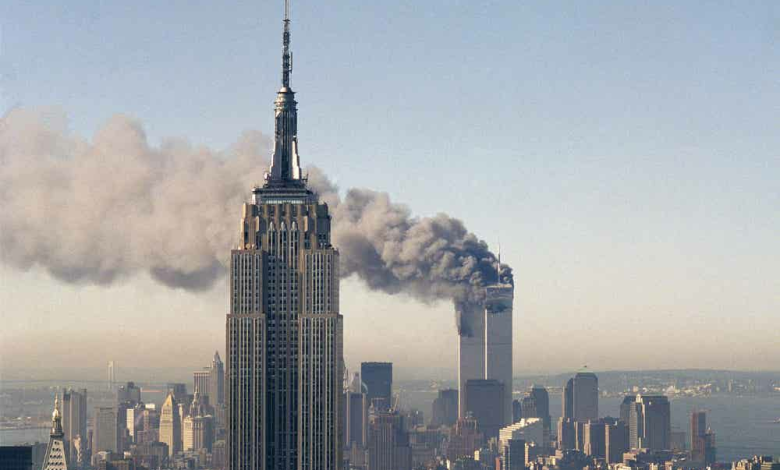
September 11 became a pretext for the United States, together with Britain and several other countries, to launch a military invasion of Iraq in 2003 under the claim that the country possessed weapons of mass destruction.
According to official statistics, more than 200,000 civilians and between 30,000 to 40,000 Iraqi soldiers were killed in this war.
The Iraq War displaced millions of people and left children suffering from malnutrition and psychological trauma.
Following the September 11, 2001 attacks, the United States, led by then-President George W. Bush, launched a global war on terror.
Iraq became one of the main targets of this policy. George Bush accused Saddam Hussein, then-President of Iraq, of producing and stockpiling weapons of mass destruction and supporting terrorism.
Although no credible evidence was ever provided for these claims, in October 2002, the U.S. Congress authorized military action against Iraq.
In February 2003, then-U.S. Secretary of State Colin Powell attempted to persuade the UN Security Council to support the war but failed.
UN inspectors found no evidence of weapons of mass destruction in Iraq, and the Security Council did not vote in favor of military operations.
Nevertheless, the U.S. and Britain, along with 29 other countries, formed the so-called “Coalition of the Willing.”
Forces from Poland, Japan, South Korea, Italy, and Spain also joined U.S. and British troops in the invasion.
Ultimately, on March 20, 2003, the U.S. and its allies launched a massive military assault on Iraq that reshaped the Middle East for decades.
The Iraqi army was defeated in just three weeks. Baghdad fell to coalition forces, and the Iraqi government collapsed.
After months on the run, Saddam Hussein was captured in June 2004 and handed over to Iraq’s interim government. He was tried for war crimes and genocide and was executed by hanging on December 30, 2006.
At the time, President George W. Bush declared: “On my orders, coalition forces have begun striking selected targets of military importance to undermine Saddam Hussein’s ability to wage war.”
The war came at a tremendous cost. The United States spent over $845 billion, while Britain spent around $9 billion on the invasion.
Thousands of soldiers and civilians were killed, and millions of Iraqis lost their homes.
The humanitarian consequences were devastating. By 2007, about 28 percent of Iraqi children were suffering from malnutrition, and nearly 70 percent were dealing with psychological problems.
On August 19, 2010, the last U.S. combat troops left Iraq. However, about 50,000 personnel remained to train Iraqi forces until the final U.S. withdrawal in December 2011.
According to UN statistics, by the end of 2015 more than 4.4 million Iraqis had been displaced.
Although the Iraq War led to the fall of Saddam Hussein’s government, it brought nothing but destruction, displacement, and a deep humanitarian crisis for the Iraqi people — leaving behind one of the costliest and most controversial wars of the 21st century.