Syria Holds First Parliamentary Vote Since Assad’s Fall
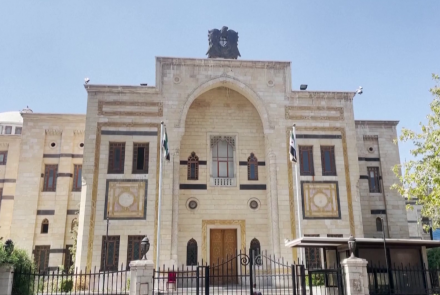
Syria is holding its first parliamentary elections today (September 15) since the fall of Bashar al-Assad’s government.
The elections are set to be conducted entirely indirectly, through local institutions.
Local electoral bodies, composed of community figures, are responsible for nominating and selecting the candidates.
Political analyst Mazen Blay said: “There are decisions that practically require a parliament—such as negotiations with Israel, changing the country’s overall policy direction, revising cultural policies, and even integrating foreign fighters into Syria’s new army.”
Under the new structure, the Syrian parliament will consist of 210 seats: one-third of the members will be directly appointed by Syria’s interim leader, Ahmad Al-Shara’, while the remaining two-thirds will be elected through local electoral colleges.
The main responsibilities of the parliament have been defined as overseeing legislative affairs and supporting the country’s economic reconstruction process.
Meanwhile, some Syrian citizens are hopeful that the new parliament will contribute to national unity.
Mohannad Ahmad, a Syrian citizen, said: “I believe the new parliament, once formed, should play a major role in preserving the unity of Syrian society, strengthening civil peace among different social groups, and conveying the hopes and aspirations of the Syrian people for the future of their country.”
According to the announced plan, the parliament’s term will last up to three years, until a permanent constitution is drafted and approved.
However, Syria’s High Election Commission announced in late August that elections in the cities of Hasakah, Raqqa (in the northeast), and Suwayda (in the south) have been postponed due to security challenges.