DABS: CASA-1000, TAPI Ongoing Despite Tensions
The deterioration of political relations with Pakistan has raised concerns about the future of regional joint energy projects.
However, Da Afghanistan Breshna Sherkat (DABS) says that the implementation of major power projects, including CASA-1000 and TAPI continues normally within Afghanistan. So far, no official announcement of suspension or halt has been issued by any member country or the World Bank.
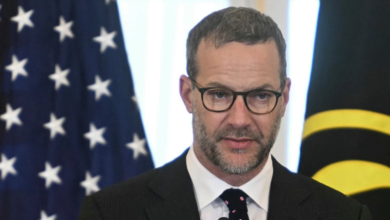
Abdul Bari Omar, the head of DABS, stated: “We have two types of regional electricity projects CASA-1000 and TAPI. Four countries are involved in CASA-1000: Kyrgyzstan, Pakistan, Tajikistan, and Afghanistan. As you mentioned concerns regarding this, I must clarify that this project is not solely dependent on Pakistan. It is financed by the World Bank, and decisions are made jointly by the four involved countries.”
Omar added that Afghanistan has a small share in the CASA-1000 project, with Pakistan being the main buyer of the electricity.
Regarding the TAPI project, he emphasized that even if Pakistan withdraws from the project, Afghanistan still has a critical need for it.
He said: “Even if Pakistan opts out of this project, we still need it. It can provide electricity for Herat, Helmand, Uruzgan, Farah, Nimroz, Ghor, and even Kandahar. If Pakistan remains in the project, they will pay us transit fees, and we will benefit from both the electricity and the revenue.”
If Pakistan remains part of the project, Afghanistan stands to gain dual benefits: transit fees for the electricity and direct access to imported energy.
Abdul Nasir Rashtia, an economic affairs expert, stated: “I don’t believe our strained relationship with Pakistan will cause these projects to be halted. You know that Afghanistan, Pakistan, and the Central Asian countries all benefit from these projects. Central Asia is rich in energy resources and wants to transfer it to South Asia, which, in turn, has a high demand for energy.”
Currently, Afghanistan and Pakistan are involved in two joint electricity projects, despite ongoing political tensions between Kabul and Islamabad.
Afghan officials, however, affirm their commitment to regional cooperation in the energy sector and aim to capitalize on the transit potential of these projects to boost the national economy.