15,000 Megawatt-Hours of Power Produced in South Afghanistan in One Month
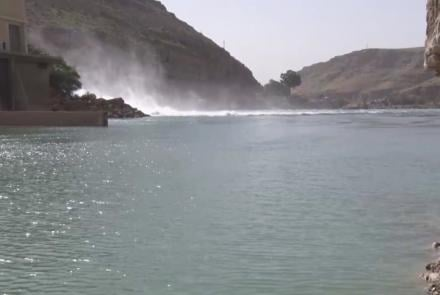
Da Afghanistan Breshna Sherkat (DABS), the national power utility, says nearly 15,000 megawatt-hours of electricity were generated from the Kajaki Dam during the month of Qaws (November 22 to December 21), despite reduced water levels. The electricity was supplied to Helmand and Kandahar provinces.
The company added that an additional 10,000 megawatt-hours of solar and thermal energy were also produced in these provinces.
Safiullah Ahmadzai, DABS Chief Operating Officer, said: “In the month of Qaws this year, approximately 15,000 megawatt-hours of electricity were produced from the Kajaki Dam for the southern provinces of Kandahar and Helmand. We also generated 4,700 megawatt-hours of solar energy.”
DABS further stated that for the year 1404 (2025), nearly 14 million liters of diesel fuel are planned to support power generation in southern provinces.
Ahmadzai noted that climate change has affected not just Afghanistan but the region and the world, with a 50 percent drop in water levels directly impacting electricity production.
He added: “Work on the 220-kilovolt transmission line and necessary substations from Ghazni to Kandahar is progressing and is now about 90 percent complete.”
Economic experts say self-sufficiency in the energy sector is more critical than ever and requires serious investment and strategy.
Mohammad Nabi Afghan, an economic analyst, stated: “We have strong potential in hydropower, solar, thermal, and wind energy. The government should create an investment plan for all these areas.”
According to DABS, southern provinces now receive an average of 18 hours of electricity per day, with 12 hours allocated to industrial parks and the remainder supplied to households, businesses, and public services.