Second Round of Indirect Iran–U.S. Talks Set for Geneva
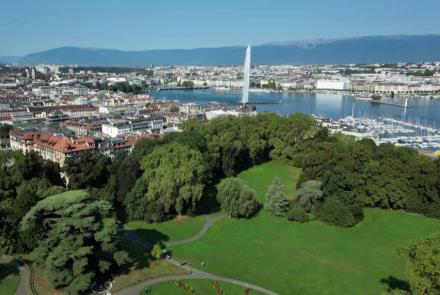
Amid increased U.S. military presence in the region and ongoing fundamental disagreements, the second round of indirect talks between Iran and the United States is scheduled to take place tomorrow, Tuesday (February 17), in Geneva, Switzerland.
Iranian Foreign Minister Abbas Araghchi has traveled to Switzerland to participate in the negotiations.
On the eve of the talks, an Iranian diplomat said Tehran is seeking an agreement with Washington that would deliver economic benefits for both countries. According to him, cooperation in the fields of energy, mining, and the aviation industry could be discussed within the framework of such an agreement.
Meanwhile, U.S. Secretary of State Marco Rubio said reaching an agreement with Iran is complex, but Washington will make every effort.
He stated: “It’s a complicated thing. No one’s ever been able to do a successful deal with Iran, but we’re going to try. Steve Witkoff and Jared Kushner will be travelling, I think they are travelling right now, to have important meetings, and we’ll see how that turns out.”
At the same time, Israeli Prime Minister Benjamin Netanyahu said that any agreement between the United States and Iran must include the complete dismantling of Iran’s nuclear infrastructure and should not be limited to halting uranium enrichment.
He said: “There should be no enrichment capability. Not stopping the enrichment process, but dismantle the equipment and the infrastructure that allows you to enrich in the first place.”
In response, the Secretary of Iran’s Supreme National Security Council emphasized that Iran will only negotiate on the nuclear issue and warned that introducing any other topic could disrupt the talks.
The first round of negotiations was held on February 6 in Muscat, the capital of Oman. Both sides described it as a positive start, but it did not produce tangible results.
While Iran insists on preserving its right to enrichment and keeping its missile program separate from the negotiations, the United States, despite emphasizing diplomacy, has also kept other options on the table.