The Deportation of Afghans from Pakistan Continues Ahead of Ramadan
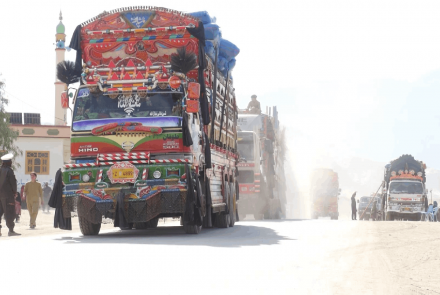
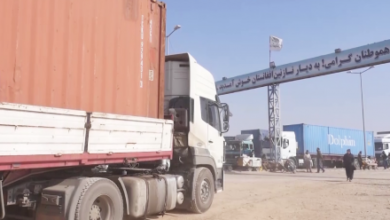
With the arrival of the holy month of Ramadan, the forced deportation of Afghan migrants through the Torkham crossing has accelerated.
After decades of living in exile, displaced families are returning to their homeland, breathing a sigh of relief as they step back onto their native soil.
Raids on homes, mistreatment, and harsh conditions by Pakistani police are among the factors that migrants say have made life increasingly difficult for Afghans there.
Hamesh Gul returned to Afghanistan after nearly fifty years. Only his wife and children are with him; all the wealth and hard-earned assets of his lifetime remain behind in Pakistan.
Recently deported, Hamesh Gul says: “They even cut off electricity to our area, closed schools for our children, and eventually blocked our SIM cards. They demolished our shops with loaders, treated us very badly, and we were forced to leave behind all our property, livelihoods, and everything we had.”
This is not only Hamesh Gul’s story. It reflects the bitter reality faced by thousands of Afghan migrant families who endured years of hardship in exile.
They say that even the arrival of the holy month of Ramadan was not taken into consideration and that they were forcibly returned.
Another recently deported migrant, Sediqullah, says: “Pakistani police treat Afghan migrants very harshly. They did not even consider the holy month of Ramadan and failed to observe international refugee principles, acting against all international laws.”
Nisar Ahmad, who has also returned from Pakistan, says: “I was born in Pakistan and was pursuing my education, which has now remained unfinished. We used to work in the market, but they would not allow us to continue working. They made life extremely difficult for us.”
Local officials in Nangarhar say that with the arrival of Ramadan, around 800 migrant families are returning daily.
According to them, the returnees are being assisted promptly, and the process of providing aid and support is ongoing.
Quraishi Badloon, Head of Information at the Nangarhar Department of Information and Culture, says: “On average, nearly 800 families return through the Torkham crossing each day. With the arrival of Ramadan, Pakistan has accelerated the forced deportation of Afghan migrants. At Torkham, services are being provided to them through more than a dozen committees of the Islamic Emirate, and compared to the past, services have increased.”
This comes as the Minister of Agriculture, Irrigation and Livestock, Ataullah Omari, stated during a wheat and cash aid distribution ceremony for Afghan migrants in Nangarhar that since the Islamic Emirate regained power, four and a half million Afghan migrants have returned to the country from Iran and Pakistan, and they have been systematically assisted by the Islamic Emirate.