WFP delivers emergency aid to families displaced by conflict in Afghanistan
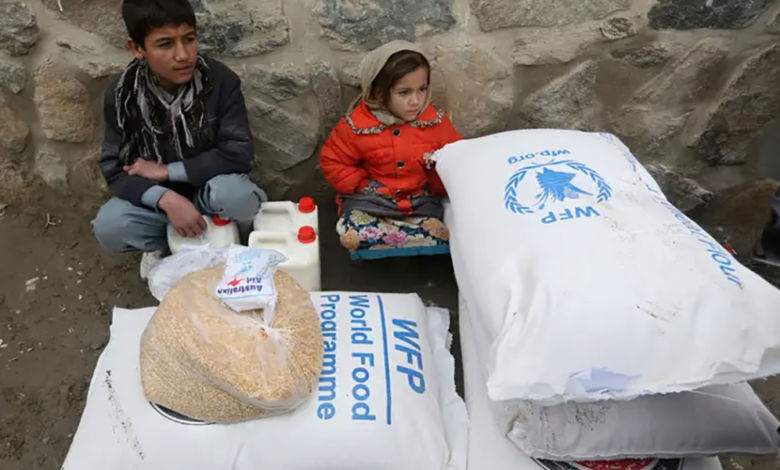
The World Food Programme (WFP) says it has launched a large-scale emergency response to assist communities in Afghanistan affected by the recent conflict along the disputed Durand Line with Pakistan, delivering life-saving food aid to thousands of displaced families.
According to the UN agency, more than 20,000 families forced from their homes by the fighting are receiving immediate food assistance. The initial response includes fortified biscuits to meet urgent nutritional needs, followed by two months of food or cash assistance for the most vulnerable households.
WFP said it will also distribute specialized nutrition products for children as well as pregnant and breastfeeding women to help address rising malnutrition.
Despite ongoing security risks, WFP has resumed operations in most border areas and is expanding assistance across eight provinces. The response begins in eastern Afghanistan in Nuristan, Kunar, and Nangarhar, before extending south to Paktia, Khost, and Paktika, and continuing to Zabul and Kandahar along the country’s southern border, WFP noted in a statement.
“This is crisis upon crisis: after enduring shocks like job losses and earthquakes, families already struggling with hunger—many with malnourished mothers and children—now find themselves on the frontlines of conflict,” said John Aylieff, WFP country director in Afghanistan. He warned that further instability could push millions deeper into hunger while increasing pressure across the region.
The humanitarian response is also facing major logistical challenges. WFP says the closure of the Afghanistan–Pakistan crossing since October and the wider conflict in the Middle East have disrupted supply routes and complicated aid delivery.
To keep food assistance moving, the agency is working to activate the Lapis Lazuli Corridor, a trade route linking Turkey, Georgia, Azerbaijan, the Caspian Sea, and Turkmenistan to Afghanistan. While the corridor provides an alternative supply line, WFP said it involves longer delivery times and significantly higher costs.
Additional pressure on Afghanistan’s markets is coming from a recent ban on food and agricultural exports from Iran, which WFP says is already driving up prices.
If the restrictions continue, shortages of essential goods could emerge first in border regions before spreading nationwide as supplies decline.
Humanitarian officials warn that Afghanistan is now facing three overlapping crises: escalating tensions along the Durand Line, the regional impact of the conflict involving Iran, and a worsening hunger emergency.
WFP estimates that one in three Afghans—around 17.4 million people—currently require urgent food assistance, while 3.7 million children are expected to need treatment for malnutrition in 2026.
The agency says Afghanistan remains one of the world’s most severe hunger hotspots and is appealing for urgent international support to sustain life-saving operations.
The World Food Programme is the world’s largest humanitarian organization, providing emergency food assistance and supporting communities recovering from conflict, disasters, and climate-related shocks.