Afghanistan Reaches Self-Sufficiency in 130 Sectors, Says Economic Deputy
The Economic Deputy Office of the Prime Minister announced that Afghanistan has achieved full self-sufficiency in 130 sectors, and partial self-sufficiency in another 100 sectors.
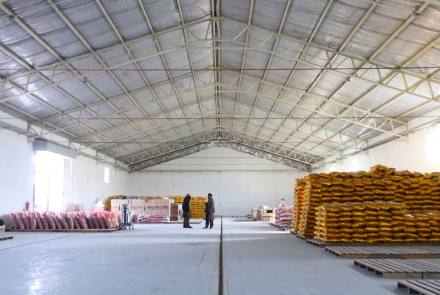
It also stated that six thousand industrial factories across the country have created job opportunities for 135,000 people.
These factories produce 570 types of goods, including flour, salt, oil, medicine, iron, cement, steel, and chemical products.
Hamdullah Fitrat, deputy spokesperson of the Islamic Emirate, said: “These factories produce 570 types of goods such as flour, oil, salt, medicine, iron, cement, steel, and chemical products, and they have provided direct employment for 135,000 people.”
Meanwhile, some economic experts believe that for rapid industrial growth, attention must be paid to key factors such as imposing tariffs on similar imported goods, ensuring energy and raw material supply, and supporting exports.
Abdul Nasir Reshtia, an economic expert, said: “The government has a responsibility to facilitate production factors for attracting investment and developing domestic industries. These factors include land, energy, and access to finance. If the government can implement these policies, there is no doubt we will see increased exports and more job opportunities.”
Qutbuddin Yaqubi, another economic expert, said: “To strengthen this sector, there must be greater use of domestically produced goods, more incentives for investors, and expanded opportunities. In addition, marketing channels for domestic products, both inside and outside the country, should be created.”
The economic deputy emphasized that the Islamic Emirate has taken steps to support the industrial sector, including land distribution, lowering customs tariffs, curbing smuggling, and organizing trade exhibitions.