Artifacts of Afghanistan’s national museum are the soul of a nation, says UN official
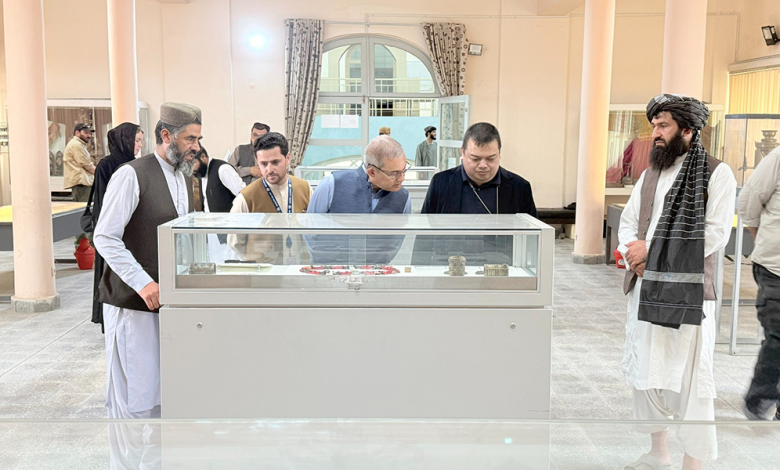
In a symbolic and inspiring visit, Indrika Ratwatte, Deputy Special Representative of the United Nations Assistance Mission in Afghanistan (UNAMA) and UN Humanitarian Coordinator, toured the National Museum of Afghanistan on Tuesday.
The National Museum, founded in 1919, is widely regarded as one of the country’s most treasured cultural institutions.
Housing a vast collection of artifacts, the museum reflects thousands of years of Afghanistan’s rich and complex history—from prehistoric times to the Islamic period.
Despite suffering significant damage and looting during decades of conflict, the museum has undergone extensive restoration. Today, it plays a vital role in preserving and promoting Afghanistan’s national identity and cultural heritage.
Among its notable artifacts are Greco-Bactrian coins, Buddhist statues, Islamic manuscripts, and magnificent examples of traditional Afghan handicrafts—all echoing the resilience and artistic spirit of the Afghan people.
The visit, organized by UNAMA, underscores the United Nations’ broader efforts to support cultural preservation in Afghanistan and highlights the international community’s commitment to safeguarding the country’s unique heritage.