Water Dam Worth 19.5 Million AFN Inaugurated in Washir, Helmand
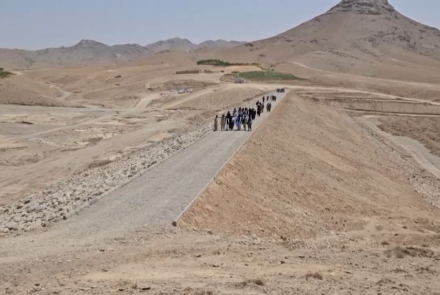
For the first time, a water dam has been inaugurated in the Washir district of Helmand province.
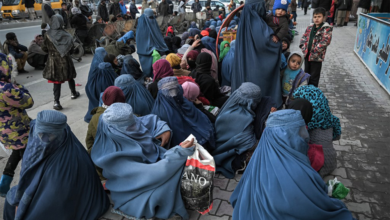
Severe drought and climate change have hit the residents of this region harder than those in many other areas.
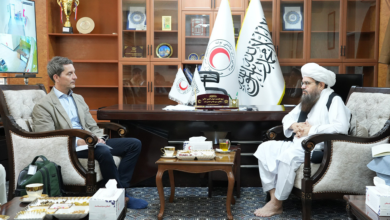
Recently, with support from the United Nations Development Programme (UNDP), a water retention dam worth 19.5 million Afghanis was completed and handed over for public use.
Officials state that the dam can store 1.056 million cubic meters of water. Once filled, it is expected to raise groundwater levels in the area and contribute to the development of the agricultural sector.
Faridun, head of engineering services at Helmand’s Water and Energy Department, said: “UNDP allocated a budget for this project, and within eight months, it was completed at a cost of around 19.5 million Afghanis. The dam can store nearly one million cubic meters of water.”
Aziz Mobeen, the project engineer, also stated: “This dam was constructed with funding from UNDP. We worked day and night to complete it. The dam has been built according to the design specifications, and we hope that the challenges faced by other check dams across the country will not arise here.”
Residents of Washir district say prolonged drought has dried up their traditional underground water canals (karez), crippling agricultural activity. They are now calling for the construction of additional dams in their region.
Saifullah, a resident of Washir, said: “We are very optimistic because we have been facing severe drought. God willing, this dam will benefit us greatly, improve livelihoods, and increase water availability.”
Nazaruddin, another local resident, shared his concerns: “The drying up of karez canals was mainly caused by deep well drilling. These rotary drills go as deep as 100 meters. Previously, our karez systems provided water, but the deep wells caused groundwater levels to drop.”
According to officials, the districts of Washir, Kajaki, Musa Qala, Baghran, and Deshu are among the hardest hit in Helmand by drought and climate change.