Afghanistan–Russia Trade Sees Significant Growth in First Half of the Year
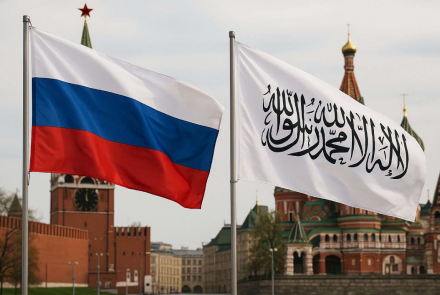
The volume of trade between Afghanistan and Russia increased during the first six months of the current calendar year.
The Ministry of Industry and Commerce announced that the total trade value between Kabul and Moscow during this period reached $219 million.
A significant portion of this trade involved the import of petroleum products, flour, wheat, and other essential goods from Russia, while Afghanistan’s exports to Russia were reported at only about $2 million.
Akhundzada Abdul Salam Jawad, the spokesperson for the ministry, stated: “Most major export items include raisins, mineral stones, dried apricots, pressure cookers, aluminum utensils, and talc stone. Major imports include various types of natural gas, petrol, sunflower oil, raw materials for industrial factories, wheat flour, and chemical fertilizers.”
Meanwhile, the Afghanistan Chamber of Commerce and Investment says that recent visits by economic delegations between the two countries and the signing of five important memoranda of understanding on transit transportation, bilateral trade, and private sector cooperation have contributed to increased commercial ties between Kabul and Moscow.
The Chamber emphasizes that Afghanistan has substantial potential for exports to Russia and that multilateral trade agreements should be pursued.
Khanjan Alokozai of the Chamber of Commerce and Investment said: “To some extent, facilitation has been achieved, and the Russians are committed to accepting our trade and exports. Although our trade relations have gone beyond normal levels, our annual imports, mainly fuel and foodstuffs reach up to $600 million.”
At the same time, several Afghan traders are calling for customs, transport, and banking facilitations to increase the volume of exports to Russia.
Trader Omid Haidari said: “The main challenges we face are banking issues that need resolution and visa-related problems, our traders must be granted easier access to visas. In addition, our traders should be able to sign major contracts with Central Asian countries, especially with Russian businesses in Moscow, so that Russia becomes a viable alternative market for our agricultural products.”
According to economic analysts, as Afghanistan seeks to reduce its dependence on foreign aid and secure alternative markets for domestic products, expanding trade ties with Russia could benefit both countries.