PoR Card Revocation Triggers New Migrant Crisis in Pakistan
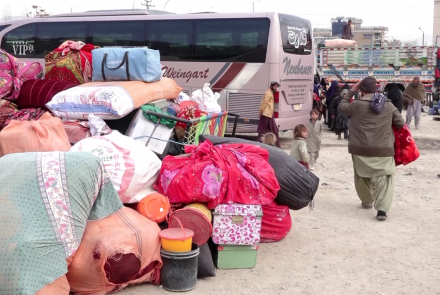
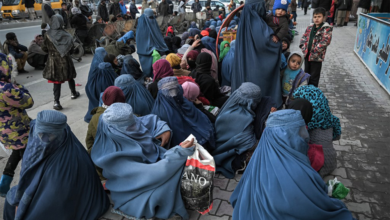
With the invalidation of Proof of Registration (PoR) cards for Afghan migrants in Pakistan, thousands of Afghan nationals have found themselves in a state of crisis.
Recent arrests and deportations have significantly heightened concerns among migrants, prompting calls for dialogue between the Islamic Emirate of Afghanistan and the government of Pakistan to address the situation.
Shabana, an Afghan migrant in Pakistan, stated: “It was expected that Afghan migrants holding PoR cards would be given at least six months’ grace period, but unfortunately, Pakistan’s unilateral decision has resulted in an ongoing crackdown on Afghan migrants.”
Atiqullah Mansoor, another Afghan migrant in Pakistan, said: “The Pakistani government has reversed its previous decision and, in coordination with the Islamic Emirate, has drafted and begun implementing a structured, gradual plan for the return of Afghan migrants.”
Meanwhile, the Embassy of the Islamic Emirate in Islamabad announced that in the past three days, at least 800 Afghan nationals have been detained in Rawalpindi and Islamabad. Of these, 380 individuals were deported despite holding valid refugee documentation.
According to the embassy’s migration attaché, this decision was made unilaterally, without coordination with the Afghan government, the United Nations, or the UNHCR (United Nations High Commissioner for Refugees).
Ursula Haqqyar, Deputy Attaché for Migration Affairs at the Afghan Embassy in Islamabad, said: “Based on reports from our office, 800 Afghan migrants have been arrested by Pakistani forces, 380 of whom held valid cards but were deported nonetheless.”
Mohammad Khan Mohammadzai, a migrant rights activist, said: “In such circumstances, it is the responsibility of both the current Afghan government and international organizations to defend the rights of migrants, especially those who possess legal documents.”
Previously, a deputy minister from Afghanistan’s Ministry of Refugees and Repatriation stated that the forced deportation of Afghan migrants from neighboring countries violates both international and Islamic law, emphasizing the need to respect migrants’ rights and dignity in host countries.