CASA-1000 Energy Project Advances in Afghanistan
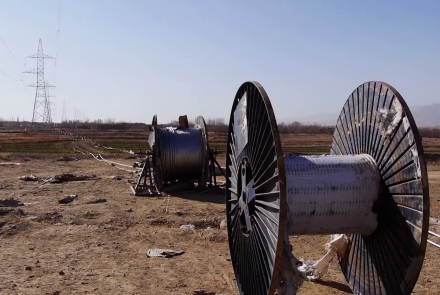
The CASA-1000 project, which aims to transmit 1,000 megawatts of electricity from Kyrgyzstan and Tajikistan to Afghanistan and Pakistan, has entered new stages of implementation in Afghanistan.
Da Afghanistan Breshna Sherkat (DABS) announced that work on the project is currently underway in three different sections inside Afghanistan and is expected to be completed within the next two years.
According to DABS officials, last year, with the support of international donors, $40 million of the project’s previous debts were paid, and an additional $90 million has been pledged.
Nasir Ahmadi, Deputy for Operations at DABS, said: “Last year, we held multiple meetings with the donors financing CASA-1000. Donors covered $40 million in previous debts, and they have committed to providing another $90 million. Fortunately, the project is now progressing in three sections within Afghanistan.”
From the total 1,000 megawatts of electricity, 300 megawatts will be allocated to Afghanistan, while the remainder will be exported to Pakistan.
Based on DABS figures, Afghanistan will also earn $50 million annually in transit fees from the project.
Key Benefits for Afghanistan:
Helps reduce electricity shortages in Kabul and eastern and southern provinces
Generates $50 million in annual transit revenue
Strengthens economic and political cooperation with Central and South Asia
Reduces dependency on electricity imports
Economic analyst Mohammad Asif Stanekzai told: “The private sector always faces electricity shortages, and CASA-1000 is one of the projects that can play a key role in Afghanistan’s energy sector, especially in industry. Currently, industries only get 5 to 6 hours of electricity daily, which is insufficient for economic growth. With CASA-1000, domestic production could increase significantly.”
Another economic analyst, Abdul Hasib Safi, said: “Afghanistan can greatly benefit from this large energy project by obtaining 300 megawatts of low-cost electricity. It will also create jobs, and through this project, Afghanistan can move toward self-sufficiency in production.”
The CASA-1000 agreement was signed in 2016.
While the Kyrgyzstan and Tajikistan portions have already been completed, the Afghan segment faced delays due to insecurity, financial challenges, and political changes.