Antibiotic Overuse in Afghanistan: A Hidden Health Crisis
The U.S. National Medical Laboratory, in a recent report, has raised concerns about the excessive use of antibiotics by patients in Afghanistan, stating that this issue, much like war and economic crises, is a serious but overlooked threat in the country.
The World Health Organization has listed the overuse of antibiotics among the top ten global medical threats of the century.
The report states that the prescription rate of antibiotics by both private and public healthcare sectors in Afghanistan is significantly higher than international standards. For example, in hospitals affiliated with Kabul Medical University, more than 85% of inpatients were given antibiotics, even though their diagnoses had not been confirmed.
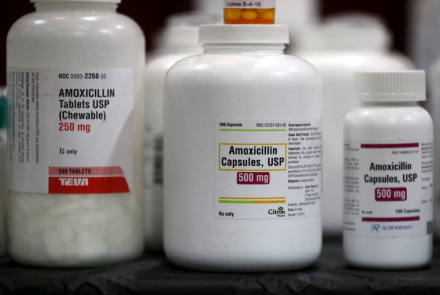
It also found that in a health center in one of Kabul’s districts, antibiotic use was higher in the summer than in winter, with the most commonly used antibiotics being Ceftriaxone, Metronidazole, and Amoxicillin.
One part of the report notes: “In Afghanistan, antibiotic use has gone beyond being a medical matter and become a cultural norm. Many Afghans view antibiotics as body-cleansing medicine. Self-medication with antibiotics remains widespread, and these drugs are even prescribed to dental patients, despite providing no benefit in such cases.”
The overuse of antibiotics is also linked to damaged healthcare infrastructure caused by decades of war in Afghanistan, which has weakened the country’s diagnostic capacity in healthcare.
Cultural misconceptions about antibiotics, unregulated supply chains, and the presence of unqualified personnel in pharmacies have all contributed to the misuse of these drugs.
The report warns that if antibiotic overuse is not addressed, it could undo years of medical progress in Afghanistan.
The report concludes by recommending several solutions, including:
• Strengthening antibiotic surveillance programs in major teaching hospitals,
• Licensing pharmacies properly in provinces and banning the sale of antibiotics without prescriptions,
• And creating mobile health platforms to give rural doctors access to standard treatment guidelines and allow them to report antibiotic use trends all aimed at helping Afghanistan combat this growing medical challenge.