Afghanistan Marks World Cancer Day, Calls for Prevention, Treatment
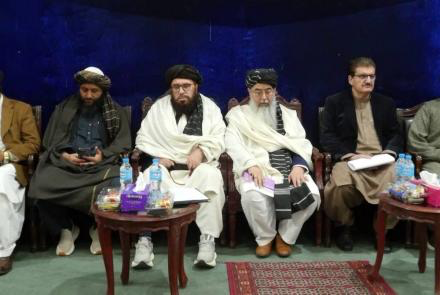
Coinciding with World Cancer Day, the Deputy Minister for Policy and Health Development at the Ministry of Public Health emphasized that cancer is not only a medical issue but also poses a major economic burden.
Mohammad Hassan Ghiasi described late diagnosis, limited facilities, and insufficient access to specialized services as key challenges facing the health system and patients, and assured that progress has been made in the diagnosis and treatment of the disease.
Mohammad Hassan Ghiasi, Deputy Minister for Policy and Health Development at the Ministry of Public Health, said: “To address these multidimensional challenges, we need comprehensive social support strategies, smart investment, and active, all-around participation.”
The Deputy Minister for Health Service Delivery at the Ministry of Public Health described the fight against cancer as a collective responsibility. He spoke about the ministry’s efforts to expand and provide specialized services for cancer diagnosis and treatment and emphasized the importance of raising public awareness.
Abdul Wali Haqqani, Deputy Minister for Health Service Delivery at the Ministry of Public Health, added: “More importantly, we must implement a culture of prevention. A healthy lifestyle, balanced nutrition, regular physical activity, avoiding cigarettes and narcotics, and undergoing regular medical checkups are factors that can play an effective role in early detection and prevention of cancer.”
The Director General of Curative Medicine at the Ministry of Public Health said that special 50-bed units for cancer diagnosis and treatment have also been established in regional hospitals.
Wahdat Alkozay, Director General of Curative Medicine at the Ministry of Public Health, stated: “We plan to upgrade these units in each zone into hospitals, and if necessary, extend these services to the provinces as well.”
The Director General of Specialized Medical Education at the ministry criticized the failure of some individuals and organizations to fulfill their commitments and called for comprehensive cooperation in the diagnosis and treatment of cancer in the country.
Nisar Ahmad Niazi, Director General of Specialized Medical Education at the Ministry of Public Health, said: “Some stakeholders and charitable organizations made promises to support cancer programs, build hospitals, and provide assistance, but so far they have not taken action.”
Meanwhile, the representative of the World Health Organization (WHO) at the event said that between 30 and 50 percent of cancer-related deaths can be prevented by reducing environmental and behavioral risk factors, including infections.
She also reaffirmed WHO’s commitment to supporting efforts in the area of non-communicable diseases and cancer, adding that mammography diagnostic services will become operational within the next three months.
WHO representative, said: “The World Health Organization is committed to focusing on disease prevention and screening, and to strengthening the capacity of medical staff in cancer surgery. Along with WHO’s support for the reconstruction and physical equipping of the new National Cancer Control Program hospital, the first shipment of chemotherapy drugs is expected to enter the country within the first three months of the current year. Additionally, four mammography machines are expected to be delivered by mid-2026.”
This comes as the first specialized hospital for the diagnosis and treatment of cancer was inaugurated in Kabul last week.
February 4 was designated as World Cancer Day in 2000 to promote cancer prevention, early detection, timely and equitable treatment, and advocacy for the rights of cancer patients.