Afghanistan’s Dry Fruit Exports Rise to $667 Million in 2025
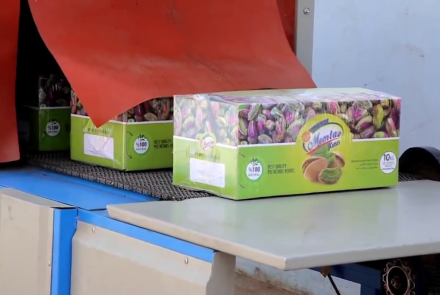
Pine nuts, figs, almonds, pistachios, walnuts, raisins, and dried apricots are among Afghanistan’s most important dry fruit export items, and exports of these products increased in 2025.
According to information from the Ministry of Industry and Commerce, Afghanistan exported nearly 205,000 tons of dry fruits worth 667 million US dollars in 2025.
Statistics from the ministry show that exports of figs, raisins, almonds, pistachios, and pine nuts increased by between 3 million and 34 million US dollars compared to the previous year.
Comparison of dry fruit exports in 2025 and 2024 (in million US dollars):
- Raisins: 186 million (2025) – 152 million (2024)
- Figs: 287 million (2025) – 166 million (2024)
- Pistachio kernels: 62 million (2025) – 38 million (2024)
- Almonds: 55 million (2025) – 46 million (2024)
- Dried apricots: 50 million (2025) – 30 million (2024)
- Pine nuts: 15 million (2025) – 12 million (2024)
Akhundzada Abdul Salam Jawad, spokesperson for the Ministry of Industry and Commerce, said: “These items were exported to Iran, the United Arab Emirates, Turkey, Pakistan, France, the Netherlands, Russia, Tajikistan, China, the United Kingdom, Australia, and other countries, with a total weight of nearly 205,000 tons and a value of 667 million US dollars.”
Despite the ministry’s statistics showing an increase in dry fruit exports, the Dry Fruit Exporters Union says that issues such as visa problems, banking restrictions, and transit challenges at the Chabahar and Wagah ports continue to negatively affect the export process of these valuable products.
Ahmad Khalid Rahmani, spokesperson for the union, said: “The lack of sufficient facilities for Afghan exporters has caused some of our traders to face limitations in participating in international exhibitions, meeting foreign customers, and following up on their business cases.”
Businessman Azmudin Khinjani said: “We have other routes, especially exports to European countries, the United States, Canada, Arab countries, and Uzbekistan, and also through Iran’s Abbas and Dogharoon ports. Currently, many problems have emerged on the Chabahar route, and we hope they will be resolved.”
This comes as earlier the Economic Deputy Office of the Prime Minister, due to the closure of dry fruit export routes through Pakistan to India, had asked Ariana Afghan Airlines to reduce transportation costs and allocate a special charter aircraft for exporting these products.