Research Finds Meth Production Shifting Beyond the Durand Line
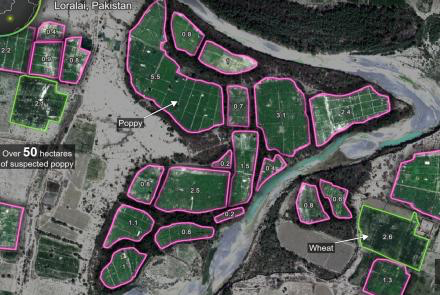
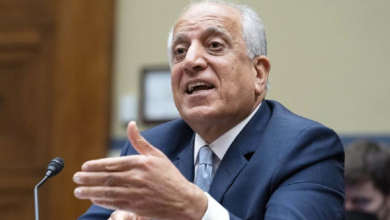
David Mansfield, a British researcher, has said in a research article that the ban on narcotics in Afghanistan has shifted the production industry of these substances to areas outside government control and even beyond the Durand Line with Pakistan, particularly to Balochistan and parts of Iran.
In his report, he emphasized that the production of industrial drugs such as methamphetamine and ephedrine inside Afghanistan has decreased; however, the production of these substances is expanding in border areas of Pakistan and Iran.
Mansfield stressed that the Taliban continue to suppress methamphetamine production in Afghanistan, an action that has increased transaction costs and reduced the income of actors involved in this supply chain.
According to Mansfield’s findings:
1- Ephedrine and methamphetamine laboratories have become smaller.
2- Production volume has decreased.
3- Demand for the “ephedra” plant in the central highlands has declined.
4- Harvesting ephedra has become more difficult due to the ban and road checkpoints.
Through this study, Mansfield shows that with the prohibition of narcotics in Afghanistan, the industry has shifted to unstable regions of neighboring countries.
An issue that requires regional cooperation and a joint fight.
Sarwar Niazi, a military analyst, said: “In the past as well, Afghanistan was not the center of industrial drug production; rather, raw materials were transferred from other countries to Afghanistan and processed there. Now too, regional countries need to coordinate in this area.”
Earlier, the Ministry of Interior of the Islamic Emirate of Afghanistan had also described regional cooperation as important for a joint fight against industrial narcotics and called on these countries to assist Afghanistan in this regard.