UN warns of possible surge in Afghan returnees from Iran
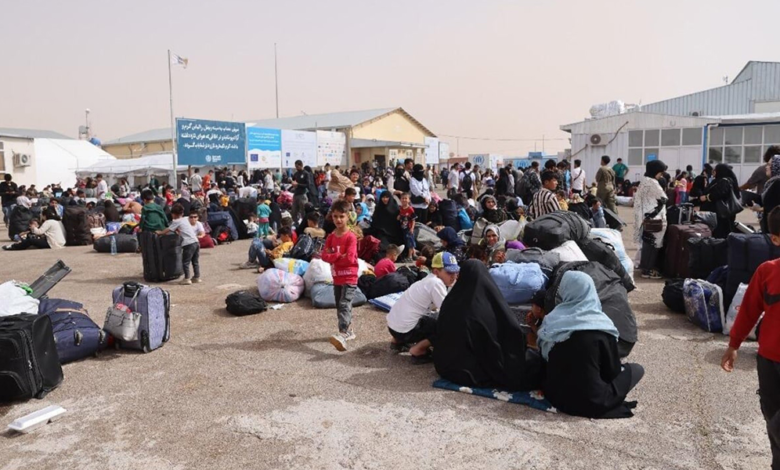
The United Nations has expressed concern over a potential increase in Afghan migrants returning from Iran, warning that many could face heightened vulnerability upon arrival in Afghanistan.
The United Nations High Commissioner for Refugees (UNHCR) said its primary concern remains the safety and protection of Afghan returnees, particularly as regional tensions continue to affect migrant communities.
According to the agency, there has not yet been a significant rise in the number of Afghans returning from Iran despite ongoing instability and conflict in the wider region. However, UNHCR said it is preparing for the possibility of a sudden influx.
The agency noted that contingency measures are already being put in place at key border crossings, including Islam Qala, to ensure that humanitarian assistance can be delivered quickly if return numbers increase.
UNHCR said it is currently providing a range of support services for Afghans returning from Iran, including cash assistance, protection services, temporary shelter, healthcare and registration.
Deputy UNHCR spokesperson Faramarz Barzin said the organization is closely monitoring the situation while prioritizing the protection of vulnerable returnees.
“Our primary concern continues to be the safety and protection of Afghan returnees, who are particularly vulnerable under the current circumstances,” Barzin said.
“Although we have not yet observed a significant increase in returns from Iran, UNHCR is actively preparing for the possibility of a rise in arrivals.”
He added that precautionary measures are already underway at major border crossings, particularly at Islam Qala, to ensure rapid assistance if the number of returnees grows.
The warning comes as humanitarian organizations report continued forced or pressured returns of Afghan migrants from both Iran and Pakistan, a trend that could further strain Afghanistan’s already fragile humanitarian situation.
UNHCR said it is working closely with international partners to monitor developments and adapt its response to meet the needs of vulnerable groups, including women, children and people at heightened risk.
Many Afghan migrants return under pressure from host countries or due to fears linked to regional tensions. Once back in Afghanistan, many face significant challenges, including poverty, unemployment and a lack of adequate housing.