Afghanistan Eyes Central Asia Trade Growth
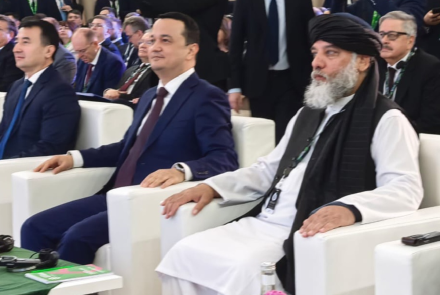
Nooruddin Azizi, the Minister of Industry and Commerce of the Islamic Emirate of Afghanistan, attended the opening ceremony of Uzbekistan’s International Industrial Exhibition during his visit to the country.
According to the Ministry of Industry and Commerce, the exhibition was held in Tashkent for three days, with more than 60 Afghan companies participating in sectors such as cotton, coal, pharmaceuticals, and agricultural products.
Economic analyst Mir Shakib Mir said that participation in economic, trade, industrial, or agricultural exhibitions is beneficial for strengthening Afghanistan’s economy and trade, and helps create opportunities for Afghan products as well as contracts between Afghan and foreign traders.
On the sidelines of the exhibition, Azizi also met with Andrei Kuznetsov, the Minister of Industry of Belarus.
The two sides discussed increasing trade between the two countries and the potential purchase of oil from Belarus.
Akhundzada Abdul Salam Jawad, spokesperson for the ministry, added that the Afghan minister invited Belarusian investors to take advantage of investment opportunities in Afghanistan, particularly in the pharmaceutical sector.
Meanwhile, some economic experts consider strengthening ties with all Central Asian countries—especially Uzbekistan—important, emphasizing that such visits can help introduce domestic products, attract investment, and expand trade relations in the region.
Another economic analyst, Abdul Ghafar Nizami, noted that trade largely depends on imports and exports. He said Afghanistan imports heavily from Uzbekistan but exports less, stressing the need to boost exports, particularly raw materials, as Uzbekistan has many factories that can utilize them.
This comes as, following regional changes and the disruption of Afghanistan’s trade with Pakistan, Kabul is seeking new markets, particularly in Central Asia.
Previously, at a meeting in Kabul with Central Asian countries, a target was set to increase trade volume between Afghanistan and these countries to $10 billion over the next three to four years.