World Bank: Food system reforms could boost food security and jobs in Afghanistan
A new World Bank report says transforming food and agriculture systems could significantly improve food security, create jobs, and strengthen economic resilience in Afghanistan, which continues to face rising pressure from climate change and water shortages.
The report titled “Building Food Security, Creating Jobs” highlights Afghanistan as one of several countries facing growing food insecurity driven by environmental stress, conflict, and economic challenges.
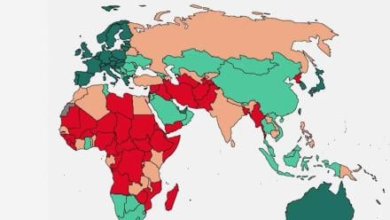
According to the report, the Middle East, North Africa, Afghanistan, and Pakistan region (MENAAP) faces mounting pressures from climate change, water scarcity, conflict, and rising malnutrition. Today, one in six people across the region lacks reliable access to food, while 42 percent cannot afford a healthy diet. Demand for food is projected to increase by 67 percent by 2050.
The World Bank warns that food insecurity in the region is being intensified by climate change, water scarcity, and conflict, all of which are placing heavy pressure on agricultural production systems.
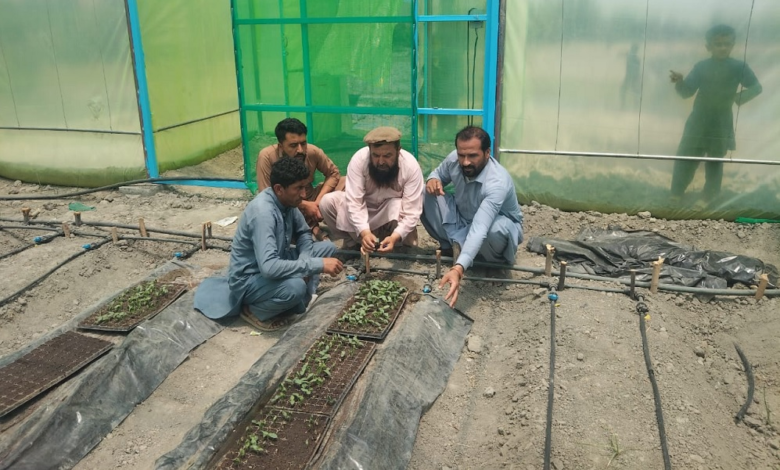
The report emphasizes that improving food security is not only about increasing farm output, but about modernizing the entire farm-to-table system. This includes strengthening supply chains, reducing food loss, improving storage and logistics, and investing in climate-smart agriculture.
It also highlights that agrifood systems already play a major economic role, supporting tens of millions of jobs across the region, including in farming, transport, processing, and food services.
For Afghanistan, the report suggests that reforms in agriculture and food systems could help reduce poverty, improve nutrition, and create employment opportunities, particularly for young people and rural communities.