Economy Ministry: International Aid Has Failed to Foster Self-Reliance
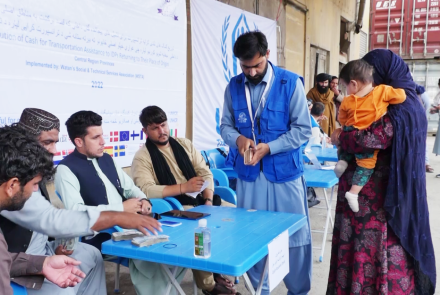
Over the past five years, millions of Afghans have benefited from humanitarian assistance, which has helped meet some of the country’s most urgent humanitarian needs.
However, Afghanistan’s Ministry of Economy says assistance provided by international organizations during this period has failed to create the conditions necessary for the country’s economic self-reliance.
Abdul Rahman Habib, spokesperson for the Ministry of Economy, said: “The impact of international organizations’ assistance has been short-term and has not created the necessary conditions for the country’s economic self-reliance.”
Meanwhile, the head of the United Nations Assistance Mission in Afghanistan (UNAMA) has said the international community has provided $16 billion in assistance to Afghanistan since the Islamic Emirate returned to power. The Ministry of Economy, however, disputes the figure, describing it as inaccurate.
A number of economic experts say most of the aid has been directed toward addressing immediate humanitarian needs, while only a small portion has been invested in infrastructure and development projects.
Economic analyst Mohammad Nabi Afghan said: “The international community’s assistance has not been invested in our infrastructure. As long as our educational foundations remain weak, we will not be able to achieve sustainable growth.”
According to economic experts, although emergency assistance has saved many lives during times of crisis, it cannot generate sustainable economic growth without investment in production and job creation.
Economic analyst Noorullah Aziz said: “International assistance has failed to create sustainable sources of income and employment for the people. It has not been directed toward sectors capable of generating long-term job opportunities.”
Meanwhile, a number of laborers are urging international organizations to shift their focus from short-term humanitarian assistance to creating sustainable employment and income opportunities.
Faizuddin, a laborer, said: “We want jobs. We want factories to be built. What can a single sack of flour do for us?”
Another laborer, Abdul Rahim, said: “Aid should reach those who truly deserve it, not people who are not in need.”
Economic experts say humanitarian assistance can only be considered truly successful if, alongside addressing immediate needs, it also contributes to job creation, increased production, and reducing Afghanistan’s dependence on external assistance.