Rights group warns of growing food insecurity in Afghanistan
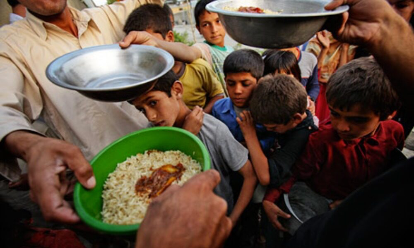
Human Rights Watch has warned that millions of Afghans face worsening food insecurity as international aid declines and restrictions imposed by the Islamic Emirate continue to hamper humanitarian operations.
The organisation said falling donor support and limits on women’s participation in aid work are making it increasingly difficult for relief agencies to reach vulnerable communities.
According to the United Nations, 46 percent of Afghanistan’s population will require humanitarian assistance in 2026, with more than 17 million people expected to face food insecurity. By April, only one in five households had enough food without humanitarian assistance.
The humanitarian response also faces a severe funding shortfall. By the end of May, the 2026 Humanitarian Needs and Response Plan had received just US$269 million of the US$1.71 billion required, leaving a funding gap of US$1.44 billion.
Humanitarian agencies say the lack of funding has forced them to scale back programmes despite rising needs.
Human Rights Watch said restrictions on women working for the United Nations and international aid organisations, together with local rules limiting contact between male aid workers and female beneficiaries, have further complicated relief efforts, particularly for women-headed households.
The humanitarian situation has also been worsened by the return of nearly six million Afghans from neighbouring Iran and Pakistan since late 2023, placing additional pressure on already stretched services.
Aid agencies warned that millions could lose access to life-saving assistance without urgent donor support. They also called on the Islamic Emirate to ease restrictions affecting humanitarian operations.