New AI tool helps Afghans identify visa pathways
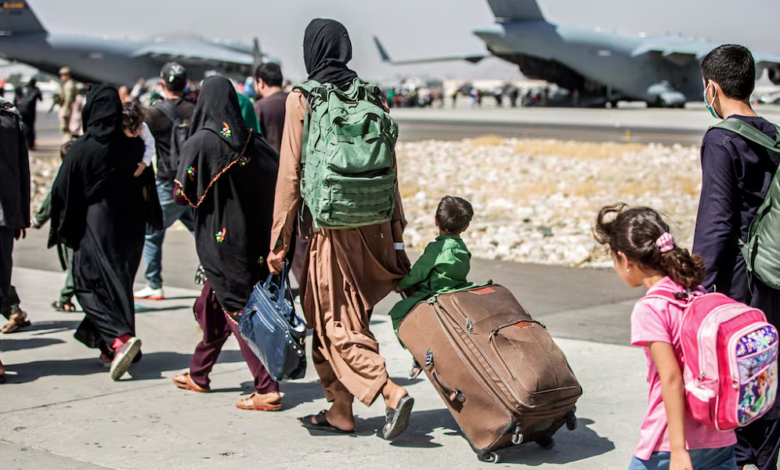
A veteran-led organisation has launched a new artificial intelligence-powered platform designed to help Afghans navigate complex visa and relocation options as thousands remain stranded or at risk nearly five years after the withdrawal of U.S. forces from Afghanistan.
The Visa Pathways and Relocation Information Center (V-PRIC), developed by AfghanEvac, uses artificial intelligence to guide users through possible immigration and protection pathways based on their individual circumstances.
According to AfghanEvac founder and U.S. Navy veteran Shawn VanDiver, the platform attracted more than 30,000 visits during its first week online.
Users begin by answering questions about their current location, whether they worked with the United States, whether they face security risks, and by providing a brief description of their situation. The system then compares that information with a database covering 124 U.S. visa and immigration categories, including 16 relevant to Afghan applicants, as well as relocation options offered by other countries.
VanDiver said the platform is intended to simplify what is often a confusing and constantly changing immigration process. Before using the service, applicants must acknowledge that it does not provide legal advice.
The launch comes as many Afghans who supported the U.S. during its two-decade military presence continue to face uncertainty. AfghanEvac says policy changes have significantly reduced available relocation opportunities, leaving many applicants unable to progress with immigration cases.
According to the organisation, around 1,100 Afghan allies and their family members remain at the Camp As Sayliyah processing facility in Doha, Qatar, despite many having previously received approval to enter the United States. AfghanEvac says travel restrictions have prevented them from completing the process.
VanDiver said the new tool helps users identify obstacles affecting their applications, including whether delays are caused by legal requirements or government policy, while also highlighting possible next steps.
The platform has been trained using legal decisions, executive orders, policy documents and information gathered through AfghanEvac surveys and guidance materials. The organisation says it will continue updating the system as immigration policies evolve.
VanDiver said the tool could also help applicants avoid actions that may complicate future immigration cases, such as pursuing visa interviews when programmes are temporarily suspended.
AfghanEvac recently surveyed more than 1,100 Afghans between January and July this year. Of the 427 respondents still inside Afghanistan, nearly half reported facing direct security threats. Another 427 respondents were in Pakistan awaiting relocation, with many expressing concerns about possible deportation and limited access to healthcare.
The organisation emphasised that the AI platform is intended to complement, rather than replace, professional legal assistance. It encourages applicants to seek legal advice while using the service to better understand the immigration options available to them.