50 Flour Mills Operating in Balkh, Employing More Than 5,000 People
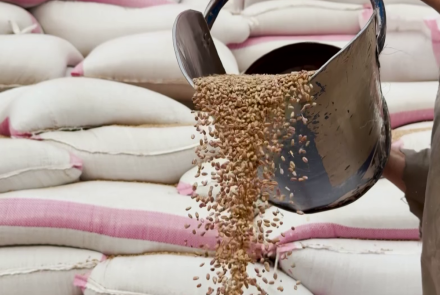
A flour mill in Balkh, which began operations two months ago with an investment of $2 million, has the capacity to produce 280 tons of flour per day and has created jobs for more than 100 people.
Mohammad Yousuf Shahbaz, head of the flour mill, said: “If we are to compete, we need support in securing raw materials and exemptions from duties. The government should also support us in processed products, just as it has supported other manufacturing sectors such as beverages, bags, plastics, steel bars and other industries.”
According to officials from the Afghanistan Flour and Grains Union, 50 flour mills are currently operating in Balkh province, with a combined production capacity of 6,500 tons of flour per day.
They said these mills have also created jobs for thousands of young people.
Mohammad Yasin Wahabzada, head of the Flour and Grains Union in Balkh, said: “Fortunately, there are 50 flour mills in the province, with a daily production capacity of 6,500 tons, and they have created jobs for more than 5,000 people.”
Workers at the mills expressed satisfaction with the job opportunities and called on investors to establish more factories to create employment for young people inside the country and help prevent migration.
Qudratullah, an employee, said: “There are many factories in this industrial park. Investors should come and invest in the country so that young people from all ethnic groups, who are our brothers, can work together.”
Asadullah, another employee, said: “We ask traders to invest more inside the country so that young people can earn a living and do not lose their lives on the routes to Iran and through Nimroz.”
Wheat is one of Afghanistan’s major agricultural products, and a large portion of it is processed into flour at local mills.
However, flour mills in Balkh import the wheat they need as raw material from countries in the region, particularly Kazakhstan.
The Balkh Chamber of Commerce had previously signed a memorandum of understanding with Turkey’s private sector to import wheat from the country.