Red Cross official urges world not to abandon Afghanistan
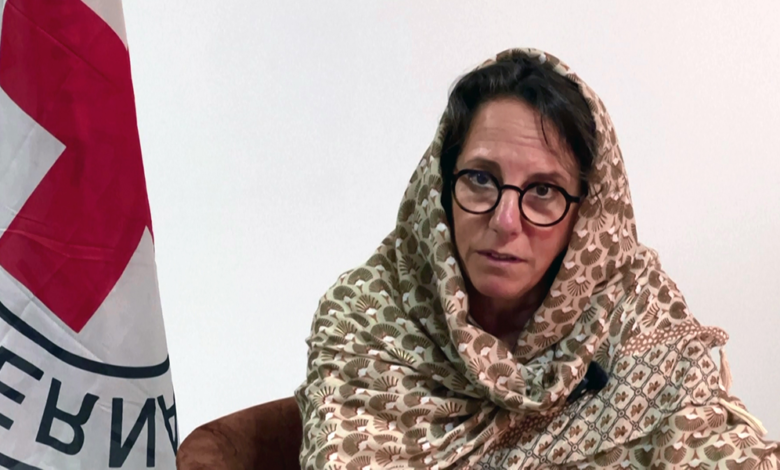
Afghanistan has slipped down the international agenda despite the “extreme needs” of its people, a senior International Committee of the Red Cross (ICRC) official said, urging the international community not to abandon Afghan communities.
ICRC Director of Operations Yasmine Praz Dessimoz told AFP in an interview in Kabul that Afghans were “struggling to survive with significant humanitarian needs” as the country’s health system continues to face severe pressure.
The United Nations children’s agency UNICEF warned last week that one million Afghan children are facing life-threatening malnutrition, while 3.7 million are suffering from acute malnutrition.
The UN has also said that a decline in international aid has forced the closure of about 100 clinics providing treatment for malnourished children across Afghanistan.
Afghanistan remains among the ICRC’s five largest operations worldwide, but funding cuts have forced the organisation to make difficult decisions about its activities, Praz Dessimoz said.
“Afghan people need national and international support,” she added.
The ICRC supports 46 clinics and seven rehabilitation centres across Afghanistan, providing healthcare and rehabilitation services, including for people wounded in conflict or injured by unexploded ordnance.
The organisation has also made communities along the Durand Line a priority, focusing on people affected by conflict between Afghanistan and Pakistan. The ICRC says its ability to engage with parties on both sides allows it to provide support to communities along the frontier.
Fighting between Afghanistan and Pakistan intensified last October and continued into the spring, displacing thousands of people in Afghanistan and leaving hundreds of civilians dead or wounded.
Praz Dessimoz also raised concerns about restrictions imposed on women by Islamic Emirate authorities, including restrictions on education beyond primary school and access to certain professions.
“We could keep our female staff in our health support,” she said, but warned about the longer-term consequences if girls and women are prevented from receiving education.
“The major concern is what is next? Because if the new generation is not educated, then there won’t be any replacement,” she said.
She stressed the importance of women health workers in providing healthcare to women, saying they are needed “in order then to deliver (care) and to be close to a woman”.
During her week-long visit to Afghanistan, Praz Dessimoz met Deputy Prime Minister Abdul Salam Hanafi and Foreign Minister Amir Khan Muttaqi.
“What is important is to be able to engage, to be able to have a dialogue with them,” she told AFP.
The Islamic Emirate government returned to power in August 2021 and remains internationally isolated, with Russia the only country to have formally recognised it as Afghanistan’s government.