Fuel Prices Rise Across Afghanistan, Raising Public Concern
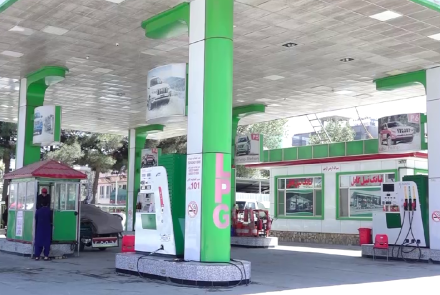
The rise in fuel prices in markets across the country has increased public concern.
In Kandahar, one liter of petrol is sold for 84 afghanis and diesel for 73 afghanis.
In Herat, petrol costs 85 afghanis per liter and diesel 77 afghanis.
In Balkh, one liter of petrol is sold for 87 afghanis and diesel for 83 afghanis.
Wahidullah, a resident of Herat, said: “We go to sleep at night and wake up in the morning to find that fuel and gas prices have risen. This situation has created serious problems for us. I use one liter of fuel every day, and just when we adjust to a price of 90 afghanis, prices rise again the next day.”
Ahmad Tamim, a driver in Balkh, said: “No one can afford these prices. Some people have even stopped using their vehicles. The government should pay serious attention to this issue and take measures to control fuel prices.”
According to findings, fuel prices in these provinces have increased by 10 afghanis over the past week.
In Kabul, the price of one liter of petrol has reached 87 afghanis and diesel 79 afghanis, representing an increase of 7 afghanis compared with last week.
Zabihullah, a driver, said: “It has become very difficult for us. There are days when gas costs 66 afghanis, and even if we work all day, our earnings only cover the cost of the gas.”
As fuel prices continue to fluctuate across the country, people are calling for greater market oversight and measures to prevent excessive increases in petroleum prices.
Hashmatullah, a Kabul resident, said: “We ask the government to consider that people are facing many economic difficulties. Fuel and gas prices should be reduced so that people can afford them.”
Dependence on imports, regional security and stability, transportation costs, and customs-related challenges are among the factors contributing to rising fuel prices.
Nazifullah Naimi, an oil and gas expert, said regarding ways to prevent further price increases: “The government should work on establishing strategic reserves, expanding import routes, and facilitating customs procedures to prevent increases in fuel and gas prices.”
As fuel accounts for a significant portion of transportation costs, higher prices could increase the cost of transporting goods between provinces and ultimately affect the prices of consumer goods.