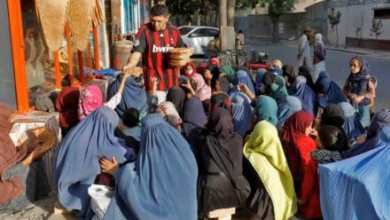
Cuban and Afghan immigrants deported from US arrive in Guyana
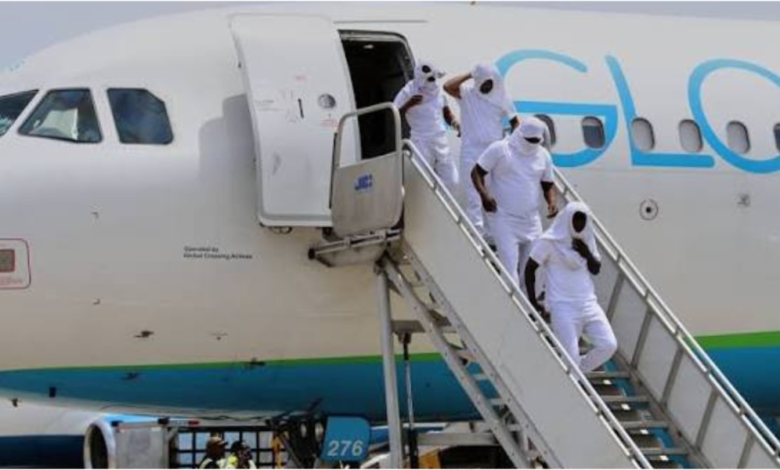
Guyana has received six people deported from the United States as the administration of President Donald Trump expands its use of so-called third-country deportations.
Guyana’s Foreign Secretary Robert Persaud said the group of Cuban and Afghan nationals arrived on Saturday after being deported over immigration issues.
“The US has not made any further requests” for non-citizens to be sent to Guyana, Persaud told The Associated Press.
None of the six had criminal backgrounds, he said.
Persaud said Guyana reached an agreement with the US after months of negotiations. The deal will run for one year and does not constitute permanent resettlement.
Third-country deportations involve sending foreign nationals to countries other than their own. Critics say deportees may have no ties to the countries they are sent to and can face unfamiliar languages and difficult conditions.
The Trump administration has expanded the practice, reaching agreements with countries in several regions, some involving multimillion-dollar payments. US officials have defended the policy by arguing that some countries, including Cuba, refuse to accept deportees.
Amnesty International estimates that more than 30 countries have entered such agreements since Trump returned to office, including 15 in the Americas.
Rights groups have condemned third-country deportations as a way of punishing migrants and pressuring them to abandon immigration claims. The practice has also raised concerns over human rights and conditions in countries receiving deportees.
The Transactional Records Access Clearinghouse at Syracuse University estimates that 70.6% of foreign nationals currently held in US immigration detention have no criminal conviction.
The six deportees sent to Guyana will receive assistance through the Assisted Voluntary Return Programme operated by the UN International Organization for Migration. They will remain in Guyana while their immigration cases are resolved and could eventually return to their countries of origin or seek relocation elsewhere.
Restricting immigration and deporting foreign nationals have become central features of Trump’s second-term policies. His administration has also cancelled programmes including Temporary Protected Status and humanitarian parole, leaving tens of thousands at greater risk of deportation.
Reports have also indicated that the administration plans to revoke visas for about 200,000 asylum seekers.