Ancient treasures unearthed at Kabul’s historic Bala Hissar
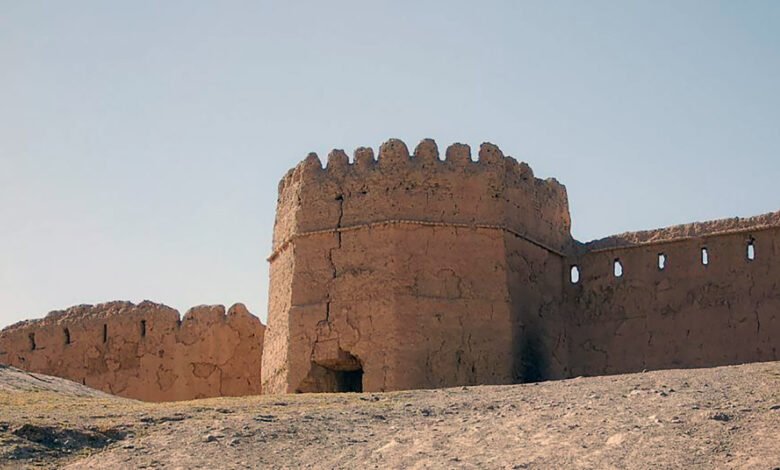
Archaeologists excavating Kabul’s historic Bala Hissar fortress have uncovered remarkable remains, including a Mughal-era palace, evidence of ancient Buddhist monasteries and a mysterious star-shaped pool, offering fresh insight into more than 2,000 years of Afghanistan’s history.
The discoveries include palace ruins featuring wall paintings, bathing facilities and what is believed to be a royal throne. Researchers also found Buddhist sculptures and monastery-related structures, pointing to Kabul’s importance as a religious and cultural centre before the Islamic period.
Other artefacts include ancient coins, Islamic ceramics, oil lamps and pottery, revealing how communities lived across different periods. Excavations are underway in five areas, with one trench reaching approximately 11 metres below ground.
Bala Hissar served as a royal residence, administrative centre and military stronghold, including during the Mughal era after Emperor Babur captured Kabul in 1504.
The fortress suffered extensive damage during centuries of conflict, particularly the Second Anglo-Afghan War in 1879.
The Aga Khan Trust for Culture has led conservation and archaeological work at the site since 2018, using modern technologies such as ground-penetrating radar and 3D laser scanning.
Large sections remain unexplored, and archaeologists believe further excavations could reveal more about Afghanistan’s rich cultural, religious and military heritage.