UNESCO warns Afghanistan risks losing an entire generation of professionals as girls’ education ban continues
The United Nations Educational, Scientific and Cultural Organization (UNESCO) has warned that continued restrictions on girls’ and women’s education in Afghanistan could deprive the country of an entire generation of skilled professionals, particularly in education, healthcare and other essential sectors.
Hoda Jaberian, UNESCO’s Education in Emergencies Programme Coordinator, said Afghanistan cannot afford to lose another generation of learners, stressing the urgent need to restore access to education for girls and women.
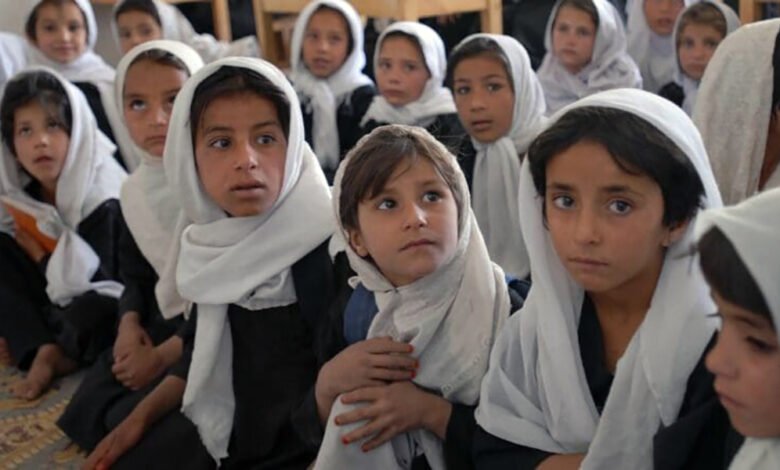
According to a United Nations report published in November, an estimated 2.4 million girls in Afghanistan are currently excluded from secondary education, while no girls enrolled in universities in 2026.
Since the Islamic Emirate of Afghanistan returned to power in 2021, girls have been barred from attending secondary schools beyond Grade Six. Restrictions were further expanded in December 2022, when women were prohibited from attending universities, followed by a ban on women’s education at medical institutions in December 2024.
Jaberian emphasized that the immediate priority must be reopening schools to girls and allowing women to return to the formal education system, noting that alternative learning opportunities cannot replace regular schooling.
She also called for greater support for teachers, improved educational materials, stronger teaching standards and better data collection and planning to strengthen Afghanistan’s education system.
UNESCO warns that prolonged restrictions could have serious consequences for Afghanistan’s future, limiting the country’s ability to train the teachers, doctors and other qualified professionals needed for national development.