NATO allies reject US Hormuz blockade, push for diplomatic solution
NATO allies including the United Kingdom and France have refused to join a U.S.-led plan to blockade the Strait of Hormuz, instead calling for a diplomatic approach to restore safe navigation through the critical shipping route.
The decision follows an announcement by US President Donald Trump that the United States would move to block maritime traffic linked to Iranian ports after talks to end the conflict with Iran failed.
U.S. officials later clarified that the measures would target vessels travelling to and from Iranian ports, rather than all shipping transiting the strait.
European leaders have distanced themselves from the move, stressing they do not want to be drawn further into the conflict. British Prime Minister Keir Starmer said London would not support the blockade despite what he described as “considerable pressure.”
Instead, European countries are working on alternative proposals aimed at reopening the waterway, through which roughly a fifth of global oil supplies normally pass.
French President Emmanuel Macron said France and the UK would convene a conference with international partners to establish a multinational mission focused on restoring freedom of navigation. He said the initiative would be strictly defensive and separate from ongoing hostilities, and could be deployed once conditions allow.
According to diplomatic sources, the proposed mission could involve around 30 countries, including several European and Gulf states, as well as India. The effort would aim to coordinate naval escorts for commercial vessels and establish guidelines for safe passage, while avoiding direct involvement in the conflict.
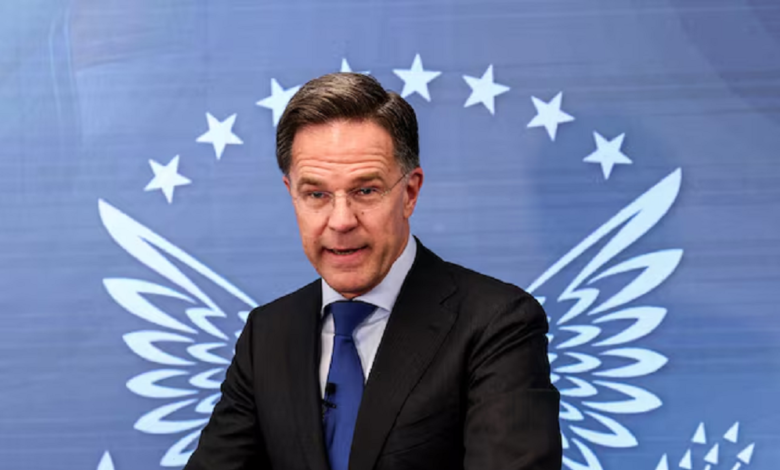
Mark Rutte has indicated that NATO could play a role in the region if member states reach consensus, although several countries have signalled they would only participate once there is a durable ceasefire and assurances that their vessels would not be targeted.
Since the conflict began in late February, Iran has largely restricted access to the strait, raising concerns over energy supplies and global trade.
European officials say diplomatic engagement remains the preferred path forward, with efforts focused on de-escalation and ensuring the safe flow of maritime traffic through one of the world’s most vital energy corridors.