WHO Reports 25% Rise in Malaria Cases in Afghanistan
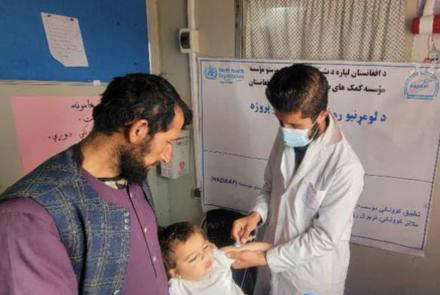
The World Health Organization (WHO), in its latest report, has highlighted changes in the prevalence of several diseases during the month of March.
According to the organization’s findings, cases of pneumonia have decreased by 33.1 percent, while malaria cases have increased by 25 percent.
The report states that the mortality rate from Crimean-Congo Hemorrhagic Fever (CCHF) has remained high at 10.2 percent.
The organization added that as part of its recent response efforts, it has distributed more than 200 health service packages across Afghanistan, reaching over 810,000 people.
WHO wrote: “Confirmed malaria: 746 cases were reported, compared with 597 cases in February 2026, representing a 25.0% increase. No malaria-associated deaths have been reported since January 2026. Suspected measles: 2,395 new cases and 11 associated deaths (CFR: 0.5%) were reported, reflecting an 8.0% decrease from 2,603 cases and 16 deaths in February 2026.”
In another section, the report notes that test results from more than 7,000 returnees indicate a notable spread of certain diseases, including COVID-19 and dengue, among them.
The organization further added that recent floods in the country have displaced thousands of families, claimed dozens of lives, and disrupted the delivery of healthcare services in 10 health centers.
WHO also reported the establishment of an extensive healthcare network in Afghanistan, including 106 health centers, specialized hospitals, addiction treatment centers, and mental health services across various provinces.