UN warns life becoming ‘impossible’ in remote areas of Afghanistan as aid funding falls short
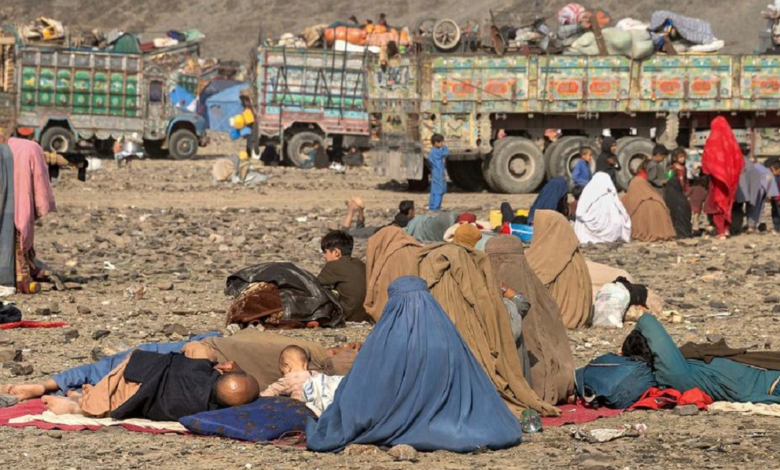
The United Nations has warned that life is becoming increasingly difficult in remote parts of Afghanistan as a deepening humanitarian crisis, driven by drought, food insecurity, and a severe funding shortfall, continues to affect millions across the country.
According to the UN Office for the Coordination of Humanitarian Affairs (OCHA), nearly 22 million people in Afghanistan require humanitarian assistance, while the organization’s $1.7 billion appeal for 2026 has received only 14 percent of the funding needed.
Aid workers say prolonged drought and water scarcity have devastated rural communities, forcing many families to abandon their homes and livelihoods. In Bamyan province, one of the country’s hardest-hit regions, residents have reported widespread crop failures due to a lack of water for irrigation.
Olga Cherevko, an OCHA official, said some villages have been left nearly deserted as families migrate in search of better living conditions.
“This particular village (in Bamyan province) that I went to, they told me that around half of the population had left, actually, because there’s simply no water to irrigate the lands, and so all the crops that they were growing, they dried up,” Cherevko told UN News. “People who could leave, they left.”
Those who remain often lack the resources to relocate and face severe hardship. Cherevko recalled meeting a father of nine whose family was surviving on a soup made from potato peelings.
The crisis is particularly severe for children. The United Nations estimates that 3.7 million Afghan children are suffering from acute malnutrition, with many cases going undetected until it is too late. Aid workers have reported instances where children died because parents were unaware of the signs of malnutrition and delayed seeking treatment.
Despite financial constraints, humanitarian agencies continue to provide assistance. Between January and April this year, aid partners reached 5.9 million people with at least one form of support, including 3.5 million people who received food assistance.
However, the United Nations has warned that without significantly increased international funding, millions of Afghans will remain vulnerable to worsening hunger, poverty, and displacement in the months ahead.