Pakistani airstrikes in Afghanistan raise concerns over civilian casualties
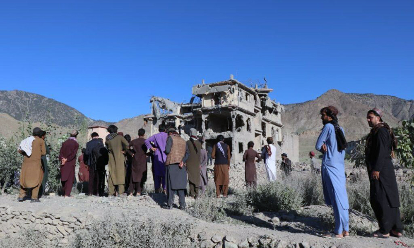
Pakistani airstrikes carried out across three eastern Afghan provinces on June 29 killed at least 28 civilians and wounded 49 others, including women and children, according to the United Nations Assistance Mission in Afghanistan (UNAMA).
Pakistan has said the strikes targeted militants it blames for attacks on its security personnel in Karachi days earlier, but has not released details about the operation.
UNAMA said however that during the first three months of 2026, cross-border attacks by Pakistani forces killed or injured more than 750 Afghan civilians, with most casualties resulting from airstrikes in eastern and southern Afghanistan. Pakistan maintains that armed groups operating from Afghan territory have carried out attacks inside Pakistan, some of which have also caused civilian casualties.
While civilian deaths do not automatically indicate violations of international humanitarian law, rights groups say such incidents highlight the need for independent investigations into whether the attacks complied with the laws of war.
UNAMA previously reported that Pakistani airstrikes on April 27 in Asadabad and other parts of Kunar province killed seven civilians and wounded 79 others, including 13 women and 39 children. One resident told Human Rights Watch that his four-year-old daughter lost several fingers in the attack, while his 11-year-old brother was killed.
Human Rights Watch has also raised concerns over a March 16 airstrike on the Omid Drug Rehabilitation Center in Kabul, which reportedly killed at least 269 civilians and injured more than 122 others, most of them patients. The organization said its investigation found no evidence that the facility was being used for military purposes, describing the attack as unlawfully indiscriminate.
The rights group further said that Pakistani mortar and artillery fire has forced the closure of 19 health facilities, worsening humanitarian conditions in areas already affected by the return of Afghan refugees from Pakistan.
International humanitarian law requires all parties involved in armed conflict to take every feasible precaution to protect civilians. It obliges attacking forces to distinguish between military targets and civilians, while defending forces are required, where possible, to keep military objectives away from populated areas. The obligations remain binding on all parties regardless of the conduct of the opposing side.