146 Years On, Maiwand Battle Remains a Symbol of Afghan Independence
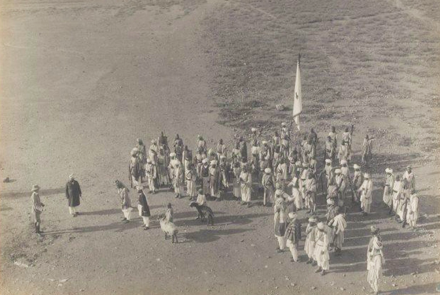
July 27 marks the 146th anniversary of the historic Battle of Maiwand. On this day in 1880, Afghan forces led by Ghazi Mohammad Ayub Khan inflicted a decisive defeat on British-led Indian, Bengali, and Punjabi troops in the scorching plains of Maiwand, about 50 kilometers west of Kandahar.
Researchers say the defeat not only represented a major military victory and a display of Afghan unity but also prompted a shift in Britain’s colonial strategy.
Writer and researcher Sardar Wali Pashtunzai said: “This historic event had a profound impact on Britain’s colonial strategy, as the British military concluded that maintaining a long-term presence in Afghanistan was not possible.”
The Battle of Maiwand is regarded as one of Afghanistan’s most significant historical events, symbolizing independence, bravery, and national resistance. It is also remembered for the courage of Malalai of Maiwand, whose inspiring words and famous landay (folk poem) became part of the battle’s legacy.
Malalai’s participation in the battle is considered a notable example of the influential role of women in Afghanistan’s historical and political events.
Writer and poet Nazir Ahmad Taee said: “For thousands of years, Afghans have granted women freedom, and this demonstrates that in Afghan society, women have fought alongside men.”
The graves of Malalai of Maiwand and other martyrs of the historic battle against the British still remain in Maiwand district and are regarded as important memorials to this historic event.
Abdul Samad Satari, head of the Kandahar Public Library, said: “It is a great honor that those who defeated the British in battle are buried here.”
Following the British defeat at Maiwand, the British Parliament in London formally approved the evacuation of Kandahar by a vote of 120. By April 27, 1881, British forces had withdrawn from Kandahar and handed control of the city over to Amir Abdur Rahman Khan.