WHO Chief Calls for Broader Polio Vaccination Coverage in Afghanistan
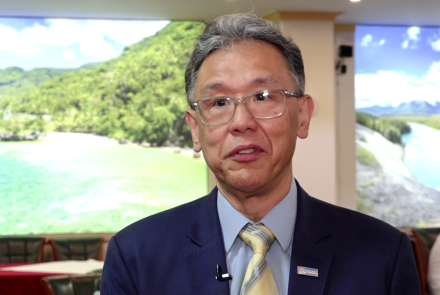
The head of the World Health Organization (WHO) in Afghanistan says that despite extensive efforts to eradicate polio, new cases of the disease continue to be reported in the country.
He stressed that more children across Afghanistan need to be vaccinated to prevent the virus from spreading.
Responding to Edwin Ceniza Salvador said that in areas where polio cases have been reported, factors such as limited access to clean water, poor sanitation, low public awareness, and weak health-seeking behavior have contributed to the continued spread of the virus.
Salvador said: “What we, the World Health Organization, UNICEF, and other partners are trying to do under the leadership of the Ministry of Public Health is to reach more children in communities and families, especially those who may not fully understand the importance of actively seeking healthcare services.”
Speaking about Afghanistan’s healthcare system more broadly, Salvador said that despite progress in areas such as increasing childhood vaccination coverage and reducing maternal mortality, global cuts in humanitarian funding have affected the delivery of healthcare services in Afghanistan. He noted that the reduction in international aid has left a number of health facilities struggling to remain operational.
He added: “One area that gives me great hope, on behalf of the World Health Organization and our partners, is our close cooperation with the Ministry of Finance. We need to explore how domestic financial resources can be increased so that a larger share can be allocated to the health sector, including maintaining existing health services and preserving the achievements that all of us have worked hard to accomplish over many years. This is a gradual process, but it is a very important step.”
Doctors have also emphasized the need for greater self-reliance in Afghanistan’s health sector, while stressing that collective efforts are essential to eradicate polio.
Mojtaba Soufi, a doctor, said: “Efforts should be made to convince donor countries that our people need humanitarian assistance regardless of politics. At the same time, we should gradually become more self-reliant and allocate greater domestic resources to the health sector so that people in remote areas who lack access to healthcare can receive the services they need.”
Another physician, Khwaja Muqeem Siddiqi, said: “The World Health Organization, in cooperation with Afghanistan’s Ministry of Public Health, should expand public awareness campaigns through mosques, radio, and television to help eradicate polio. Families should also trust the vaccination process and ensure that their children are immunized.”
Earlier, the World Health Organization reported that 150 health centers had been closed in Afghanistan and that six positive polio cases had been recorded in the country so far this year.