UN states Afghanistan continues to face consequences of decades of conflict and disasters
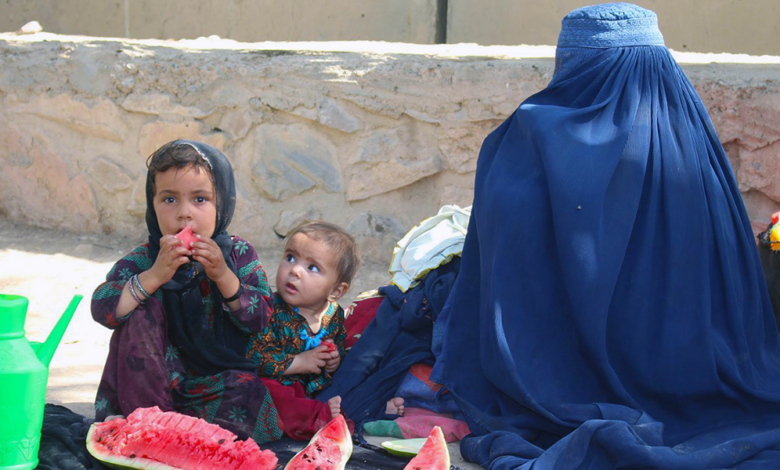
The United Nations says Afghanistan continues to face the consequences of more than four decades of conflict, political instability and natural disasters, leaving millions of people dependent on humanitarian assistance.
In a statement on Tuesday, September 8, the UN said Afghans continue to face widespread humanitarian needs following years of war, displacement and repeated natural disasters.
The organisation said Afghanistan remains one of the world’s most challenging humanitarian environments, with millions of people struggling to meet their basic needs.
Nearly 23 million Afghans are facing acute food insecurity, according to the UN, highlighting the scale of the country’s ongoing humanitarian crisis.
Afghanistan is also home to one of the world’s largest refugee populations, while the return of millions of Afghans from neighbouring countries has placed additional pressure on communities and limited resources.
The country remains highly vulnerable to earthquakes, floods, droughts and other climate-related disasters, which frequently destroy homes, infrastructure and livelihoods and deepen existing humanitarian needs.
The UN said it remains committed to supporting the Afghan people through humanitarian assistance and essential services, despite growing challenges facing aid operations.
It called on the international community to maintain support for Afghanistan and provide the resources needed to address urgent humanitarian needs and help vulnerable communities withstand future crises.
The UN stressed that sustained international assistance remains critical as Afghanistan seeks to recover from decades of conflict and build greater resilience to economic and natural shocks.