EU and FAO launch €5m programme to strengthen Afghanistan’s agrifood sector
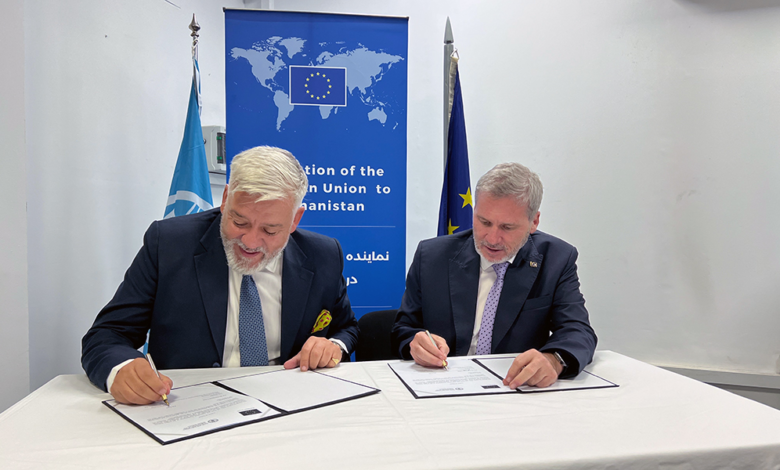
The European Union (EU) and the Food and Agriculture Organization of the United Nations (FAO) have launched a €5 million initiative to help Afghan farmers and agribusinesses access markets, improve incomes and withstand climate and economic shocks.
The programme will target vulnerable households, including returnees, internally displaced people and host communities, particularly in areas affected by food insecurity, climate risks and limited economic opportunities. Women and youth will be key beneficiaries.
Four one-stop service hubs will connect farmers and rural entrepreneurs with agricultural advice, specialised services, businesses and markets. Farmers will also gain access to FAO climate analysis and early-warning information to help them make timely production and marketing decisions.
The initiative will restore 2,000 hectares of degraded forests and rangelands and support 250 women- and community-led nurseries, combining environmental protection with new livelihood opportunities.
FAO will also provide matching grants and technical and business support to established agrifood and environmentally sustainable enterprises with growth potential. Participating businesses will contribute their own resources, helping expand processing, source from more local farmers and create rural jobs.
Nicola Bellomo, the EU’s new Chargé d’Affaires for Afghanistan, said the programme reflected the EU’s commitment to food security and economic empowerment.
“Afghanistan’s agricultural potential remains undervalued and constrained by the country’s extreme climate vulnerability,” Bellomo said, adding that the partnership would strengthen agricultural services, support agribusiness growth and promote nature-based solutions.
FAO Representative in Afghanistan Richard Trenchard said agrifood businesses had shown potential to grow and create jobs despite difficult conditions.
“When farmers can produce with confidence, businesses can grow and products can reach markets, agriculture becomes a powerful engine for recovery and resilience,” he said.