Amu and Kokcha Rivers Destroy Farmland in Northern Afghanistan
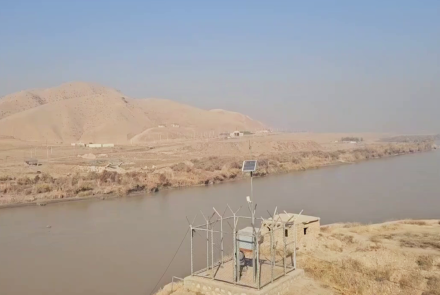
Residents of Badakhshan and Takhar say rising water levels in the Amu and Kokcha rivers destroy hundreds of jeribs of farmland and grazing land every year, while dozens of homes remain at risk.
They have called on Islamic Emirate officials to take serious steps to address the problem.
Bashash, a resident of Takhar, said: “For several years, heavy floods have pushed the Amu River toward Afghanistan, completely destroying forests along its banks. The river has washed away Afghan land toward Tajikistan and has moved about one to two kilometers inland in some areas of Dasht-e-Qala and Darqad districts.”
Abdullah, a resident of Badakhshan, said: “Every spring and summer, rising water levels destroy homes and farmland near the river. We ask the Islamic Emirate to pay attention to this problem.”
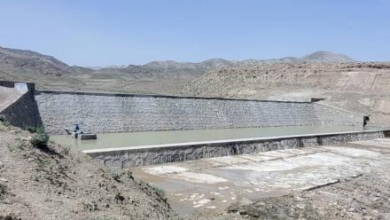
Meanwhile, officials from the river basin authorities in the two provinces say they have protected large areas of farmland and grazing land in recent years by building retaining walls.
They added that further plans are in place to fully address the problem.
Fazl-ul-Haq, a representative of the Panj River Basin Department, said: “We have built retaining walls and gabion structures in some areas and have done as much as our resources allowed. Work is continuing in other areas. We have also surveyed part of the river in Dasht-e-Qala, and construction work will begin soon.”
The Amu River originates in the highlands of the Pamir region of Badakhshan and flows along parts of Badakhshan, Takhar and Kunduz provinces.
Every summer, rising water levels in the Amu River destroy hundreds of jeribs of farmland and residential homes in these provinces and sometimes cause deaths.