Shortage of Standard Cold Storage Facilities Challenges Fruit Growers
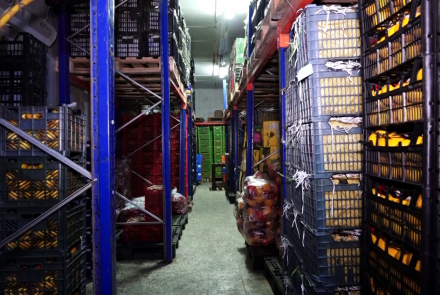
A shortage of fruit storage facilities has created difficulties for orchard owners during the harvest season.
According to farmers, these challenges lead to the loss of agricultural produce and a decline in their income.
Pomegranates, apples, and other fruits brought to Kabul from various provinces are supplied to markets during the harvest season.
Orchard owners say that although some cold storage facilities are operating across the country, differences in storage capacity, facilities, and costs have limited their access to these services.
Sayed Ahmad, an orchard owner, said: “This situation is very harmful to us and to traders because the cost of storing produce in private cold storage facilities differs from that in government-owned facilities.”
Farid Ahmad, another orchard owner, added: “The government should establish more public cold storage facilities and reduce storage costs so that farmers and orchard owners can also make a profit.”
Meanwhile, fruit sellers say that storing agricultural produce in cold storage facilities alone is not enough. They emphasize the need to create opportunities for selling products in domestic markets and exporting them abroad.
They are also calling on domestic investors to invest in the development of this sector.
Sayed Noor Agha, a fruit seller, said: “Not all produce can be kept in cold storage. Some must be consumed, some stored, and the rest exported abroad. This challenge has existed for years, but it has still not been resolved.”
Some cold storage operators say that despite the establishment of new facilities by the private sector, electricity shortages and tax-related expenses remain among their major challenges.
Mohammad Sharif, the manager of a cold storage facility, said: “The main problem facing cold storage operators is the shortage of electricity, and the government should support them in this regard. Storing agricultural produce in cold storage facilities can help reduce losses and improve the economic situation of farmers and orchard owners.”
The Ministry of Agriculture, Irrigation and Livestock says that more than 150 cold storage facilities established by the ministry are operating across the country, with capacities ranging from 1,000 to 4,000 metric tons. The ministry also says it has introduced measures to facilitate private sector investment in this field.
Sher Mohammad Hatami, spokesperson for the ministry, said: “The ministry is working to establish more cold storage facilities across the country and strongly supports investors in this sector.”
However, the Chamber of Agriculture and Livestock says that more than 3,000 cold storage facilities have been established by the private sector nationwide, storing fruits and vegetables at various capacities.
Wasim Safi, the chamber’s chief executive officer, emphasized: “More than 3,000 cold storage facilities have been established in the country so far, but not all of them meet standard requirements. This figure also includes small, energy-free cold storage facilities that do not require electricity and are mostly located in rural areas.”
Afghanistan is an agricultural country, and the lack of adequate storage facilities can result in the loss of a significant portion of fresh agricultural produce.