World Polio Day: Concerns Over the Virus in Afghanistan
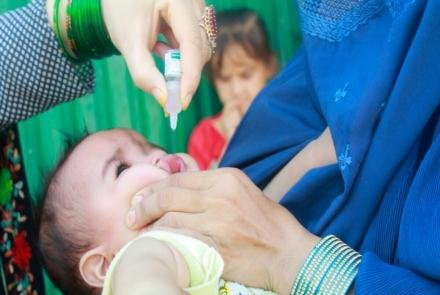
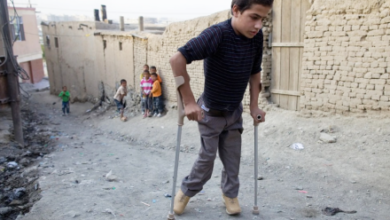
On World Polio Day, October 24, the World Health Organization (WHO) reported 42 polio cases in Afghanistan in 2026, a figure that the Ministry of Public Health of the Islamic Emirate of Afghanistan had previously described as suspected cases.
The organization warned that being polio-free does not mean being safe from the disease, emphasizing that as long as the poliovirus continues to circulate anywhere in the world, all countries remain at risk.
Sharafat Zaman Amarkhail, spokesperson for the Ministry of Public Health, said: “Eradicating infectious diseases such as polio is not the responsibility of one country alone. It is a global issue, and all countries must work together to eliminate it.”
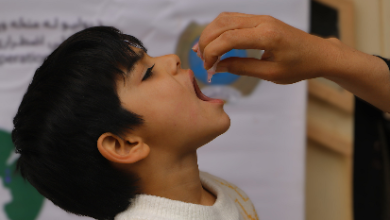
Medical experts warn that polio has no specific cure and that vaccination is the only way to prevent the disease.
They emphasize the need to expand vaccination coverage and raise awareness among families.
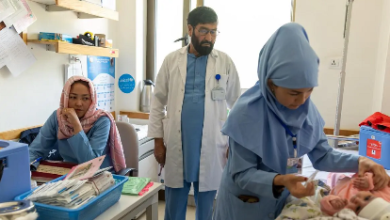
Mahbubullah Shafiq, an internal medicine specialist, said: “Polio is a viral disease with no cure, but it is preventable. All children under the age of five should be vaccinated.”
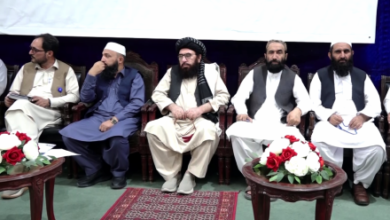
Religious scholars and citizens have also emphasized the importance of raising awareness about vaccination and urged families to vaccinate their children under five.
Mawlawi Hasibullah Hanafi said: “From an Islamic perspective, ensuring vaccination for children under the age of five is the responsibility of every member of society.”
UNICEF also marked World Polio Day by reaffirming the need for continued efforts to eradicate polio in Afghanistan and calling on governments and donors to maintain financial support to end the disease.