UNICEF: 83% of Malnourished Afghan Children Face Food Insecurity
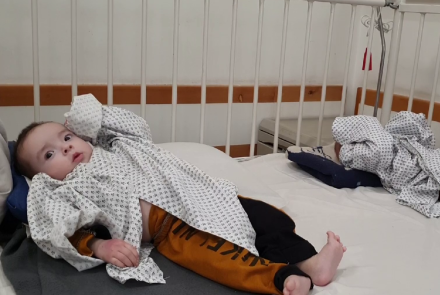
UNICEF and the Global Nutrition Cluster have warned in a new report that a large proportion of children suffering from acute malnutrition in Afghanistan are living in households facing severe food insecurity, a situation that, according to the organizations, has further complicated efforts to address the nutrition crisis.
According to the report, 83 percent of children affected by acute malnutrition live in food-insecure households.
The report also states that during the first three months of the current year, the Global Nutrition Cluster and its partners provided nutrition services to more than 945,000 people across Afghanistan.
Abdulzohor Modaber, an economic analyst, said: “Food security is one of the most important and fundamental issues for families and consumers. Naturally, ensuring food security requires financial and revenue resources. One possible solution could be support from donor organizations and greater attention from the international community to this sector.”
A number of doctors in Afghanistan say malnutrition has turned into a silent crisis in the country, affecting mostly children and pregnant women.
According to them, lack of a proper diet and recurring infectious diseases are among the main factors worsening malnutrition among children.
Mojtaba Soofi, a doctor, said: “Malnutrition usually occurs among people with poor economic conditions or those who lack sufficient awareness about nutritional values. Even some overweight individuals may suffer from malnutrition because of consuming monotonous food or due to digestive problems.”
Meanwhile, the Ministry of Public Health says the Islamic Emirate, in cooperation with partner organizations, is working to keep around 3,000 health centers operational across the country to provide nutrition services and treat affected children.
Sharafat Zaman Amarkhil, spokesperson for the Ministry of Public Health, said: “Overall, we are conducting public awareness campaigns and implementing various programs to prevent malnutrition.”
This comes as a UNICEF report states that the rate of acute malnutrition has exceeded 10 percent in 10 provinces of Afghanistan, with the highest cases recorded in Helmand and Daikundi provinces.