MSF chief recalls 2015 Afghanistan hospital bombing, warns of rising attacks on healthcare
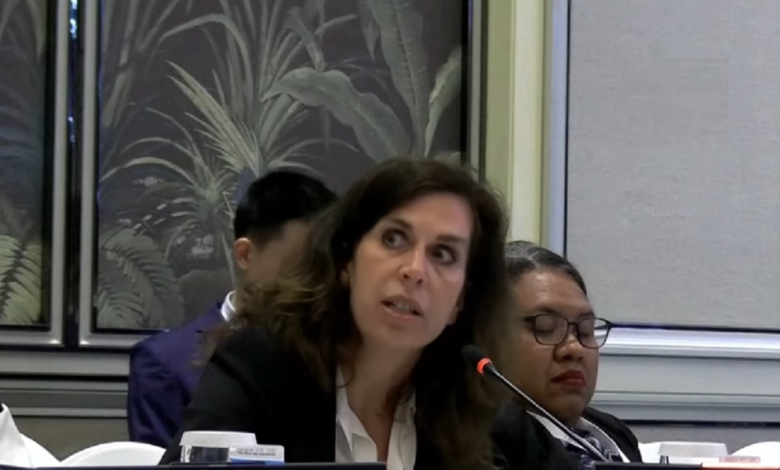
The head of Médecins Sans Frontières (MSF) International has warned that attacks on hospitals and healthcare facilities in conflict zones are increasing, despite global efforts to strengthen protections for medical missions following the bombing of an MSF hospital in Afghanistan a decade ago.
Speaking during a special session at the Shangri-La Dialogue in Singapore, Laura Leyser, Secretary General of MSF International, recalled the international response to the 2015 U.S. airstrike on an MSF-run trauma hospital in Kunduz, Afghanistan, which prompted widespread condemnation and led to the adoption of United Nations Security Council Resolution 2286 on the protection of medical personnel and facilities in armed conflicts.
“There was a big outcry. There was an investigation,” Leyser said. “What has happened since, though, is not a reduction of these cases but, to the contrary, an increasing number of attacks on hospitals and clinics.”
Leyser said more than 1,300 attacks on healthcare facilities were recorded in conflict situations worldwide last year, adding that around 80 percent of those incidents were carried out by state actors.
She said the growing number of attacks has created fear among healthcare workers and humanitarian personnel operating in war zones, making it increasingly difficult to provide lifesaving assistance to civilians.
“This is the reality that civilians face on the ground, and it is the reality that humanitarian organizations such as ours face as well,” she said.
Leyser noted that medical workers in conflict areas often continue their work despite severe shortages of supplies and constant security threats. She said many healthcare staff are afraid to report to work because of the risks posed by ongoing violence.
The MSF chief called on governments and military leaders to ensure greater respect for international humanitarian law and to strengthen accountability for violations.
Her remarks came during discussions involving senior military and security officials from Pakistan, China, Malaysia, the Netherlands, South Korea and the International Committee of the Red Cross, who gathered at the Shangri-La Dialogue to examine challenges to global security, including regional conflicts, military competition, crisis management and emerging technologies.
Leyser urged participants to reflect on ways to uphold the minimum standards of international humanitarian law and reduce impunity for attacks on healthcare facilities and personnel during armed conflicts.